Average decision time of 15-20 minutes to find and book relevant courses
Impact: Professionals often abandoned booking due to complexity
70% of users prefer browsing by brand due to existing brand loyalty and familiarity
Impact: Brand-first navigation aligns with user mental models
Professionals often bookmarked multiple courses but abandoned booking due to complexity
Impact: Need for simplified, minimal-step booking process
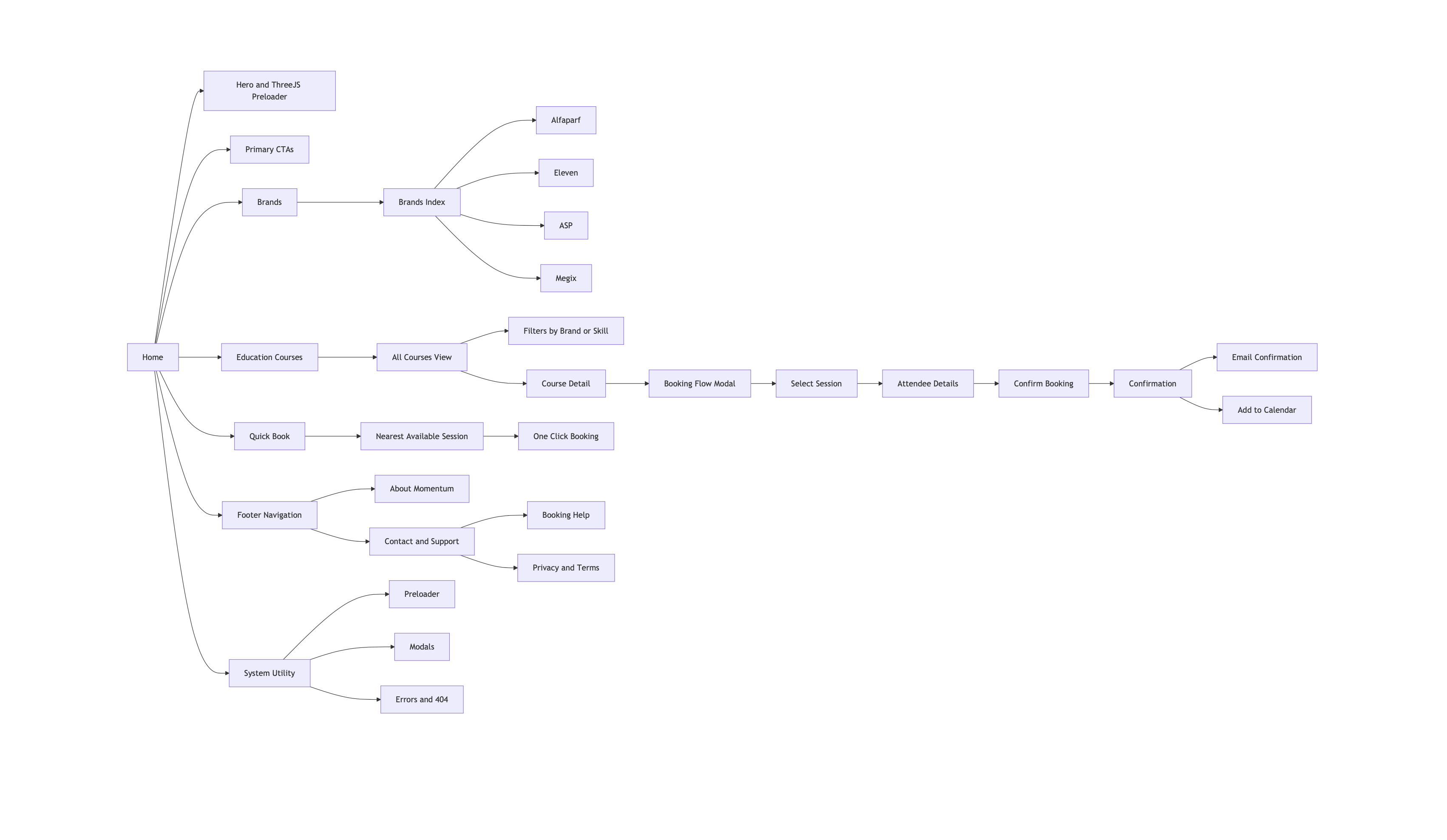
Respected user mental models and existing brand loyalty. Professionals think in terms of "What does Alfaparf offer?" not "What courses exist?"
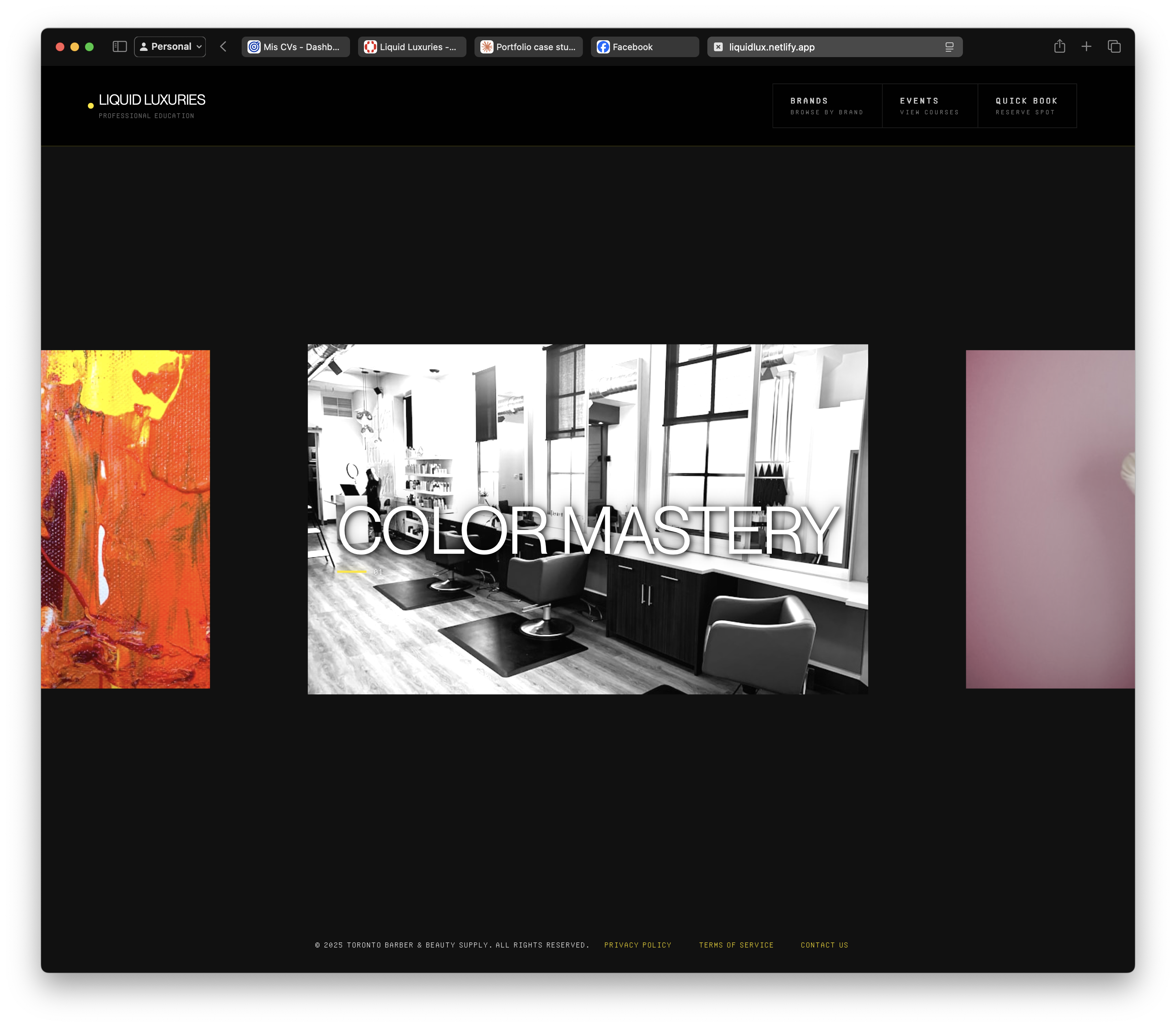
Course cards show essential information at a glance. Details expand on demand. Prevents cognitive overload while maintaining comprehensive information access.
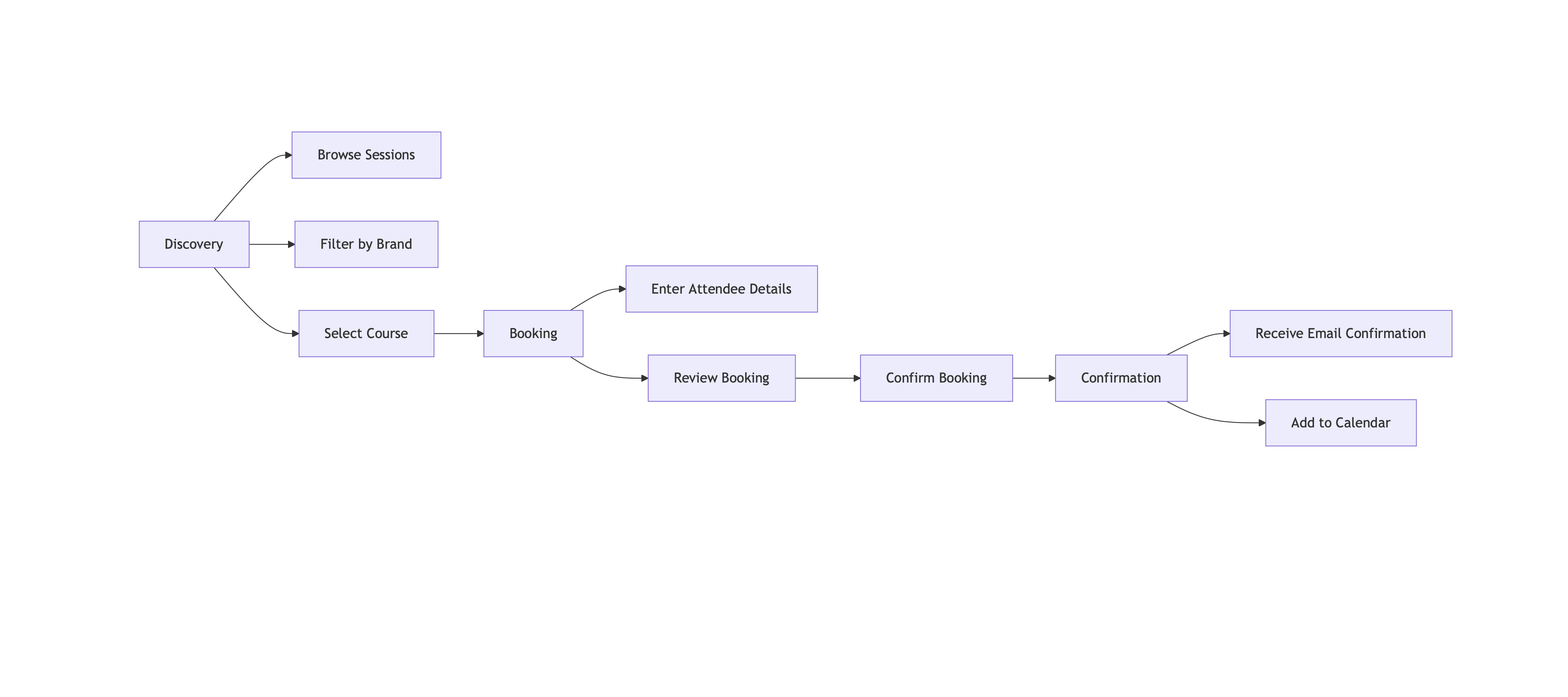
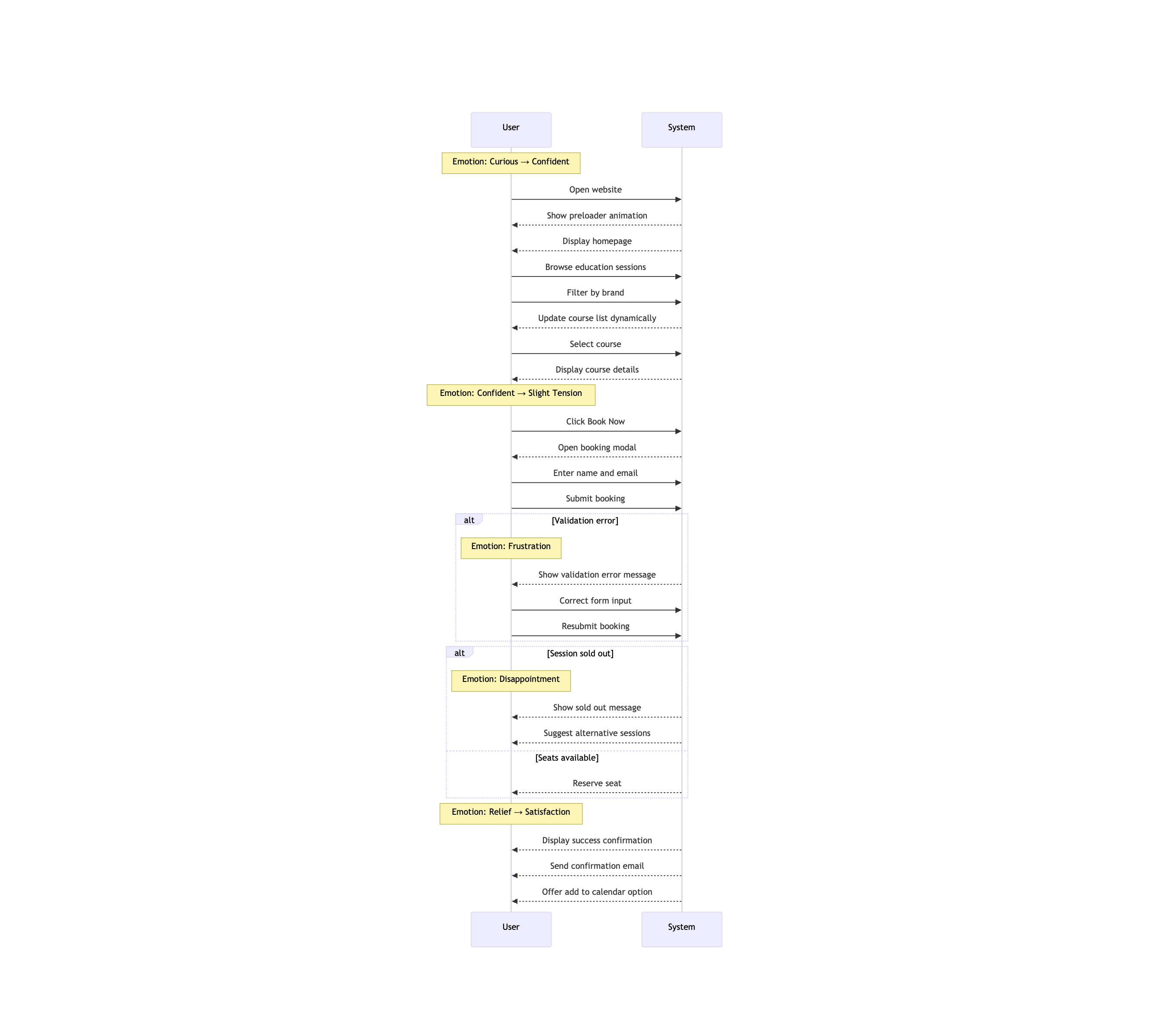
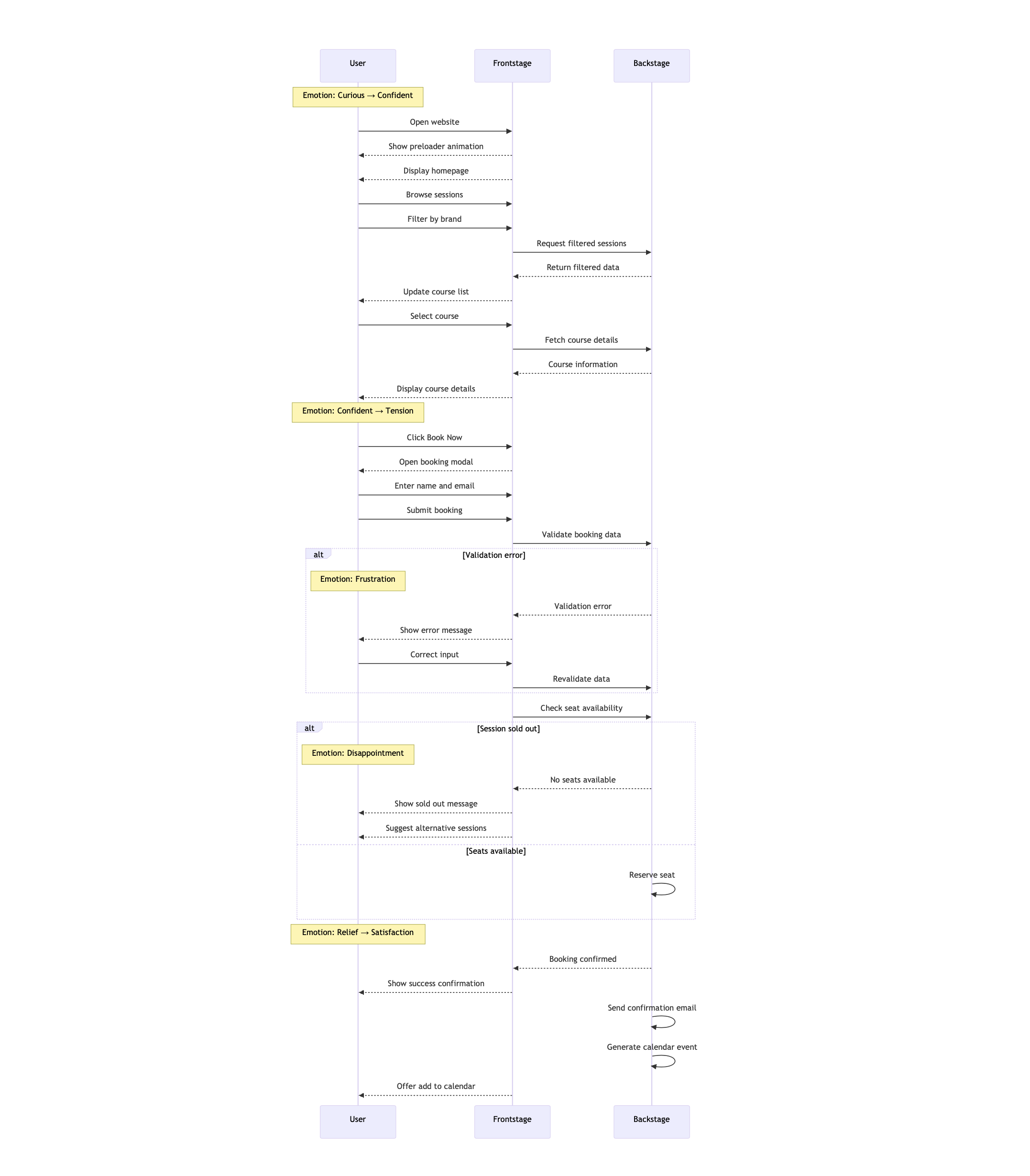
Reduced booking to 3 steps: Select Course → Confirm Details → Reserve. Eliminated unnecessary form fields and confirmation pages.
Each brand maintains subtle visual identity within system (colors, thumbnails). Helps professionals quickly scan familiar brands.
Many users book during breaks or commutes. Mobile experience prioritized touch targets, reduced scrolling, and thumb-friendly interactions.
The project reinforced that efficiency isn't about removing information—it's about structuring information to match mental models and decision-making patterns. Beauty professionals didn't need less information; they needed it organized around how they actually think about courses (by brand) and presented in scannable formats.
Managing multiple brands within a single system required careful balance. Each brand needed enough visual presence to maintain identity, but not so much that it fragmented the overall experience. The solution: consistent structure with subtle brand differentiation through color and imagery.
The project demonstrated effective progressive disclosure: course cards show just enough to support decision-making, with full details available on-demand. This prevented overwhelming users while ensuring all necessary information remained accessible.
Taking the project from research through live deployment reinforced the importance of technical feasibility in design decisions. Designs that ignore implementation constraints create friction between design and development. Understanding technical capabilities enabled better design decisions and smoother collaboration.