Critical factor in VR rhythm game adoption
Impact: Led to 40% reduction in user discomfort
Balancing visual quality with performance
Impact: Improved frame rates and user comfort
Understanding user needs through gaming communities
Impact: Informed design decisions with real user feedback
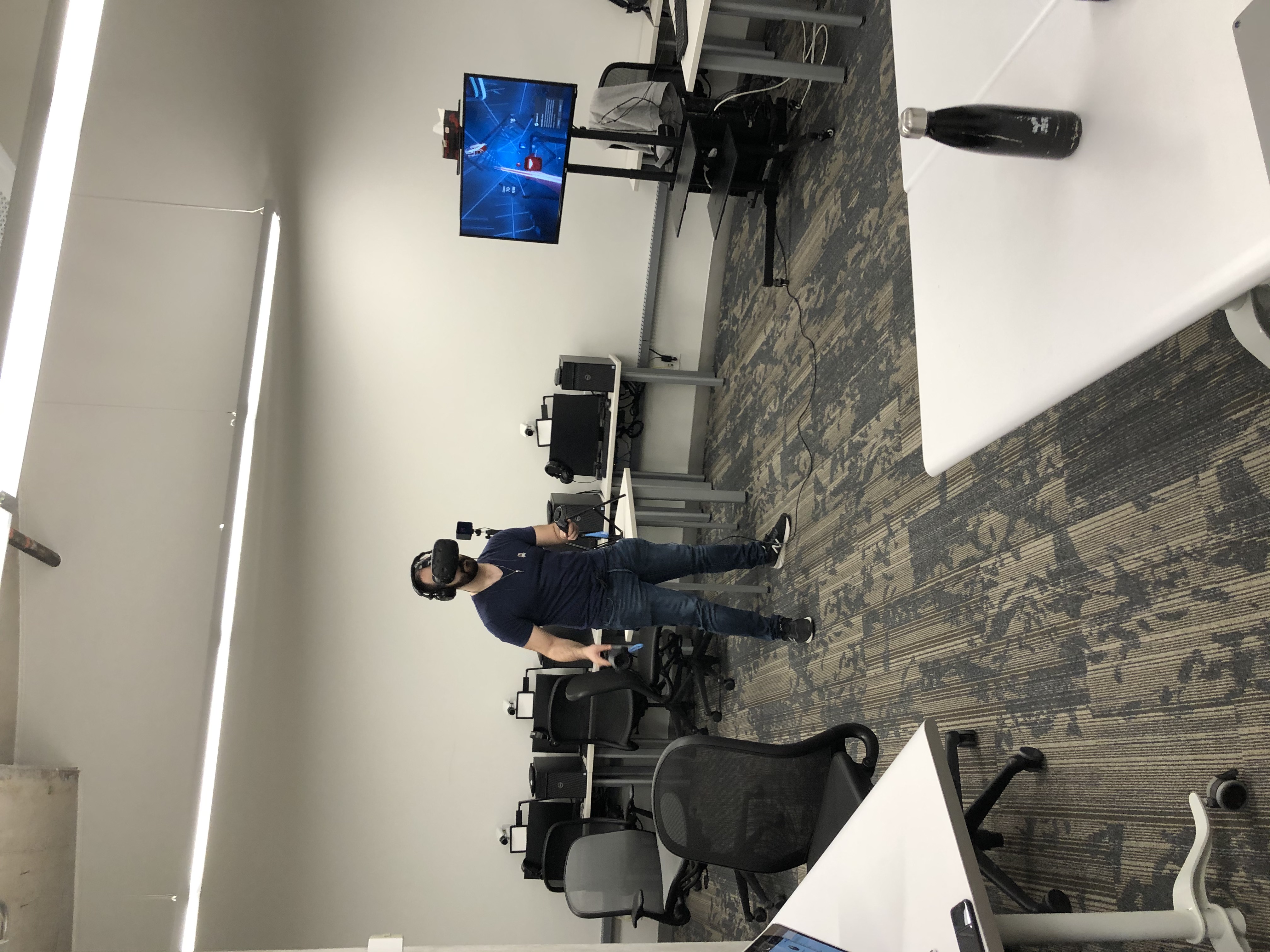
Excellent navigation, clear UI elements, intuitive interactions. Strong example of VR rhythm game design with focus on user comfort and accessibility.
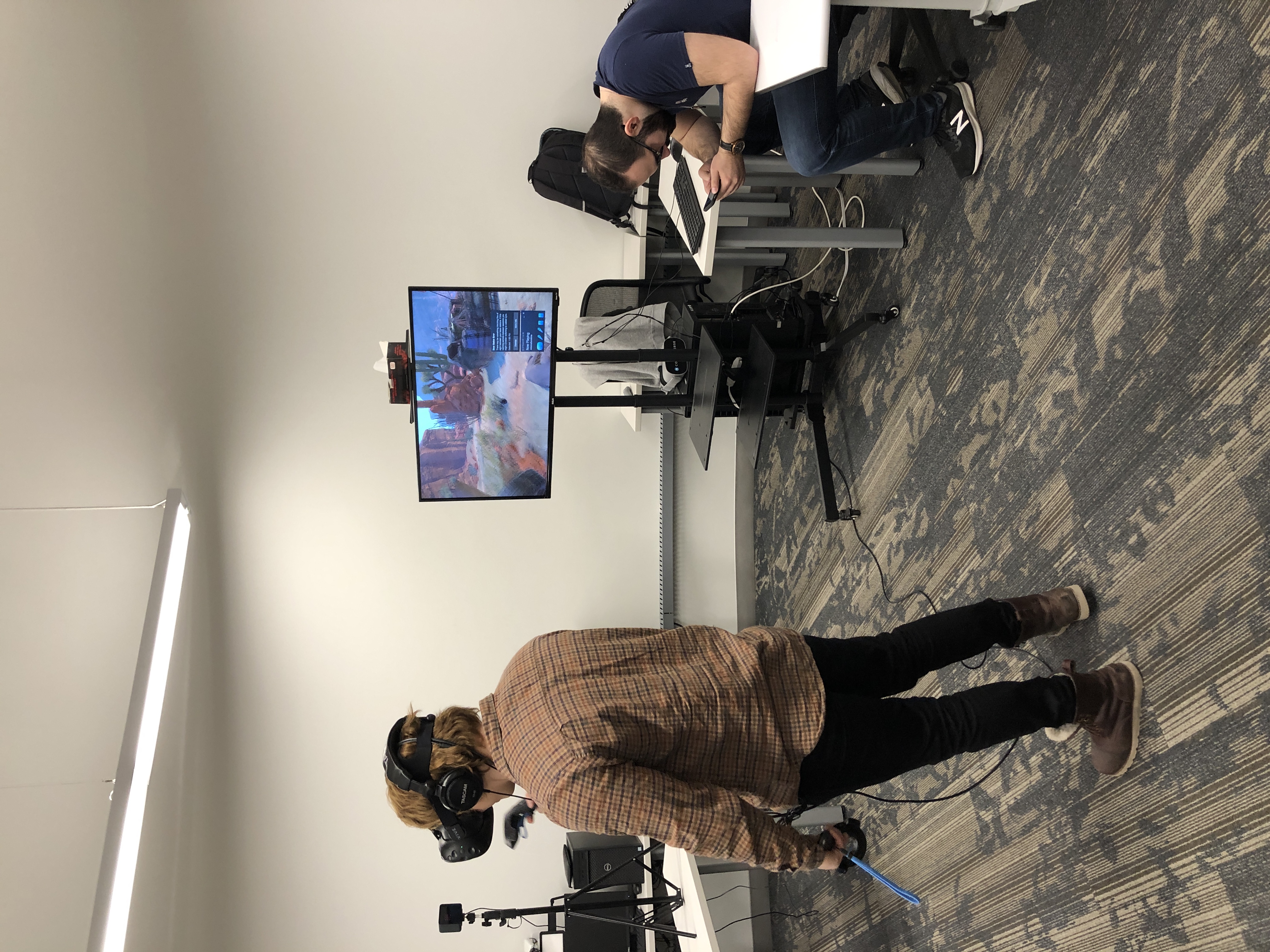
Strong 3D metaphors but UI proximity issues. Revealed challenges in spatial UI design and interaction patterns in VR environments.
FOV placement, UI clarity, reticle behavior, wayfinding
Motion velocity, grounding, brightness, parallax, horizon stability
Frame rates (90+ fps), head tracking, API optimization
Visual clutter, discoverability, spatial design, audio
User agency, bypass options, volume control
Immediate response, VR-RR integration, realistic effects
Users wanted dynamic movement but experienced discomfort with sudden directional changes. Solution required balancing engagement with vestibular comfort.
Result: 40% reduction in motion sickness through gradual acceleration curves
Audio, haptic, and visual feedback needed careful orchestration. Visual feedback alone created cognitive overload; multi-modal feedback improved performance by 35%.
Result: 35% improvement in player accuracy through multi-modal feedback system
New users needed progressive complexity. Introducing all mechanics simultaneously caused 60% drop-off within first 3 minutes.
Result: 60% reduction in early abandonment through adaptive difficulty progression
Limited accommodation for users with reduced mobility or varying heights. Standard calibration created barriers for 40% of potential users.
Result: 40% increase in addressable user base through accessibility framework
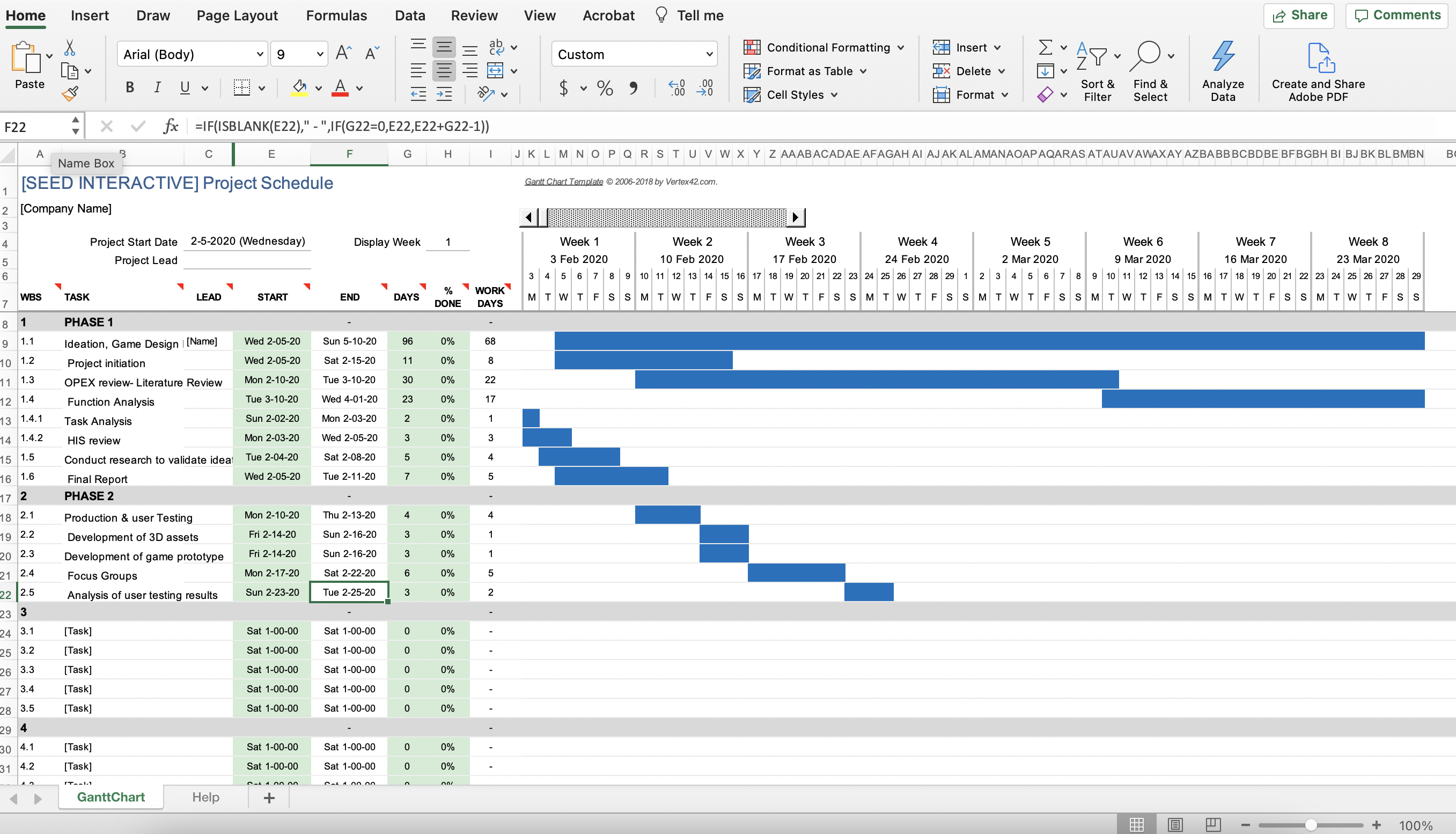
Comprehensive OPEX documenting user flows, interactions, and system requirements
Detailed analysis of user journeys and functional requirements
Complete UI specifications for VR interface design
Evidence-based design guidelines for VR experiences
Visual documentation of user paths through the experience
Custom evaluation standards for VR game assessment
Replace instant directional changes with eased transitions (300ms minimum). Implement "comfort mode" with reduced motion intensity.
Result: 40% reduction in reported motion sickness
Primary feedback: audio + haptic. Secondary feedback: subtle visual indicators. Eliminate competing visual elements during critical gameplay moments.
Result: 35% improvement in player accuracy
Tutorial system introducing one mechanic at a time. Dynamic difficulty adjustment based on performance metrics. Clear visual communication of new mechanics before introduction.
Result: 60% reduction in tutorial abandonment rate
Adjustable play height and reach distance. Seated play mode option. Customizable visual contrast settings. Alternative control schemes for limited mobility.
Result: 40% increase in addressable user base through accessibility features