Case Study

UX Curriculum Design

Educational Innovation

Design and delivery of college-level UX curriculum bridging academic theory with professional practice. The curriculum addresses the gap between traditional design education and industry expectations, preparing students for real-world UX roles through project-based learning, systematic design thinking, and collaborative professional practices.
Curriculum Designer
My Role
& Instructor
2023 — Present
Timeline
Ongoing
150+
Students
Empowered
85%+
Success Rate
Transition to UX roles
Teaching Philosophy

The Problem

Many UX programs teach disconnected skills without the strategic thinking, research methods, or professional practices required in actual design roles. Students graduate with portfolio projects but lack understanding of how UX functions within product development contexts, research-driven decision-making processes, collaboration with cross-functional teams, iteration based on feedback and testing, and professional documentation and communication standards.
Pedagogical Challenge: How can we prepare students for professional UX roles while teaching fundamental design principles, research methods, and systematic thinking?

Industry-Education Gap

  • Students lack understanding of UX within product development contexts
  • Missing research-driven decision-making processes
  • Insufficient collaboration with cross-functional teams
  • Limited iteration based on feedback and testing
  • Weak professional documentation and communication standards
Curriculum Philosophy

The curriculum is built on five core principles that guide every design decision and learning experience.
1. Research-Driven Design

Every design decision must be justified by user research, business context, or established principles. Eliminate arbitrary aesthetic choices.

2. Systems Thinking

Teach students to see design as interconnected systems, not isolated screens. Consider entire user journeys, edge cases, and long-term implications.

3. Iterative Practice

Build comfort with critique, revision, and improvement. Professional design is iterative; curricula should reflect this reality.

4. Real-World Context

Projects should mirror actual professional constraints: ambiguous requirements, competing priorities, limited timelines, stakeholder feedback.

5. Documentation & Communication

Professional designers must articulate thinking, defend decisions, and document processes. These skills are as important as design execution.

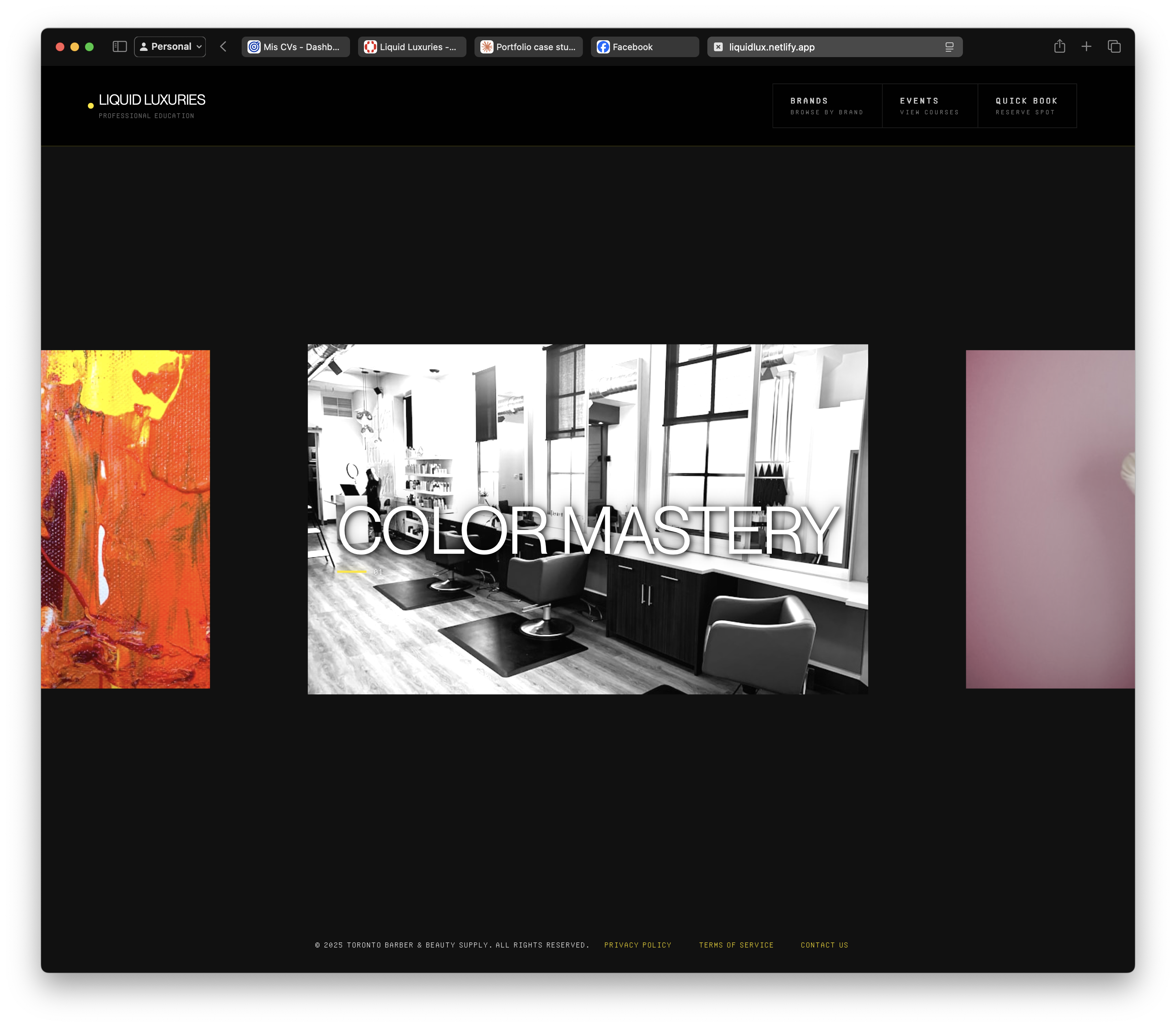
INTR2005: Branding & Marketing Strategies

Course Objective: Develop strategic thinking about brand systems, market positioning, and user-centered brand experiences.
Learning Outcomes:
  • Conduct brand research and competitive analysis
  • Develop positioning strategies based on market context
  • Create cohesive brand systems (visual identity, voice, touchpoints)
  • Apply branding principles to digital experiences
  • Present and defend strategic brand decisions

Curriculum Structure

Unit 1: Brand Strategy Foundations

  • Research methods: audience analysis, competitive positioning, market trends
  • Brand architecture and strategy frameworks
  • Workshop: Analyzing successful brand systems

Unit 2: Visual Identity Systems

  • Typography, color theory, and systematic design
  • Creating flexible, scalable brand systems
  • Digital brand applications and responsive design
  • Project: Develop complete brand system for specified audience

Unit 3: Brand Experience Design

  • Translating brand strategy to user experience
  • Consistency across digital and physical touchpoints
  • Voice, tone, and content strategy
  • Project: Design branded digital experience

Unit 4: Professional Practice

  • Client presentations and strategic communication
  • Design documentation and brand guidelines
  • Collaborative critique and iteration
  • Final Project: Complete brand system with strategy document

Assessment Approach

  • Process-focused evaluation (research, iteration, documentation)
  • Emphasis on strategic justification over aesthetic execution
  • Peer critique and collaborative feedback
  • Professional presentation standards
Information Design Fundamentals

INTR1004: Information Design Fundamentals

Course Objective: Build foundational skills in organizing, structuring, and presenting information for usability and comprehension.
Learning Outcomes:
  • Apply information architecture principles
  • Conduct user research for design decisions
  • Create clear visual hierarchies and navigation systems
  • Design for diverse users and contexts
  • Document and present design thinking

Curriculum Structure

Unit 1: Information Architecture Foundations

  • IA principles: organization, labeling, navigation, search
  • Mental models and user research methods
  • Card sorting and tree testing exercises
  • Project: Organize complex information set

Unit 2: Visual Hierarchy & Composition

  • Typography fundamentals and readability
  • Grid systems and layout principles
  • Visual attention and cognitive load
  • Project: Multi-page information design

Unit 3: User-Centered Design Process

  • User research methods (interviews, surveys, testing)
  • Wireframing and prototyping
  • Usability evaluation and iteration
  • Project: Design and test information interface

Unit 4: Designing for Accessibility

  • WCAG standards and accessible design principles
  • Designing for diverse abilities and contexts
  • Testing with assistive technologies
  • Final Project: Accessible information design with documentation

Assessment Approach

  • Emphasis on research and justification
  • Iterative project development with checkpoints
  • Peer testing and feedback integration
  • Professional documentation requirements
Teaching Methodology

Teaching Methodology

The teaching approach emphasizes project-based learning, critique culture, industry alignment, and professional documentation standards.

Project-Based Learning

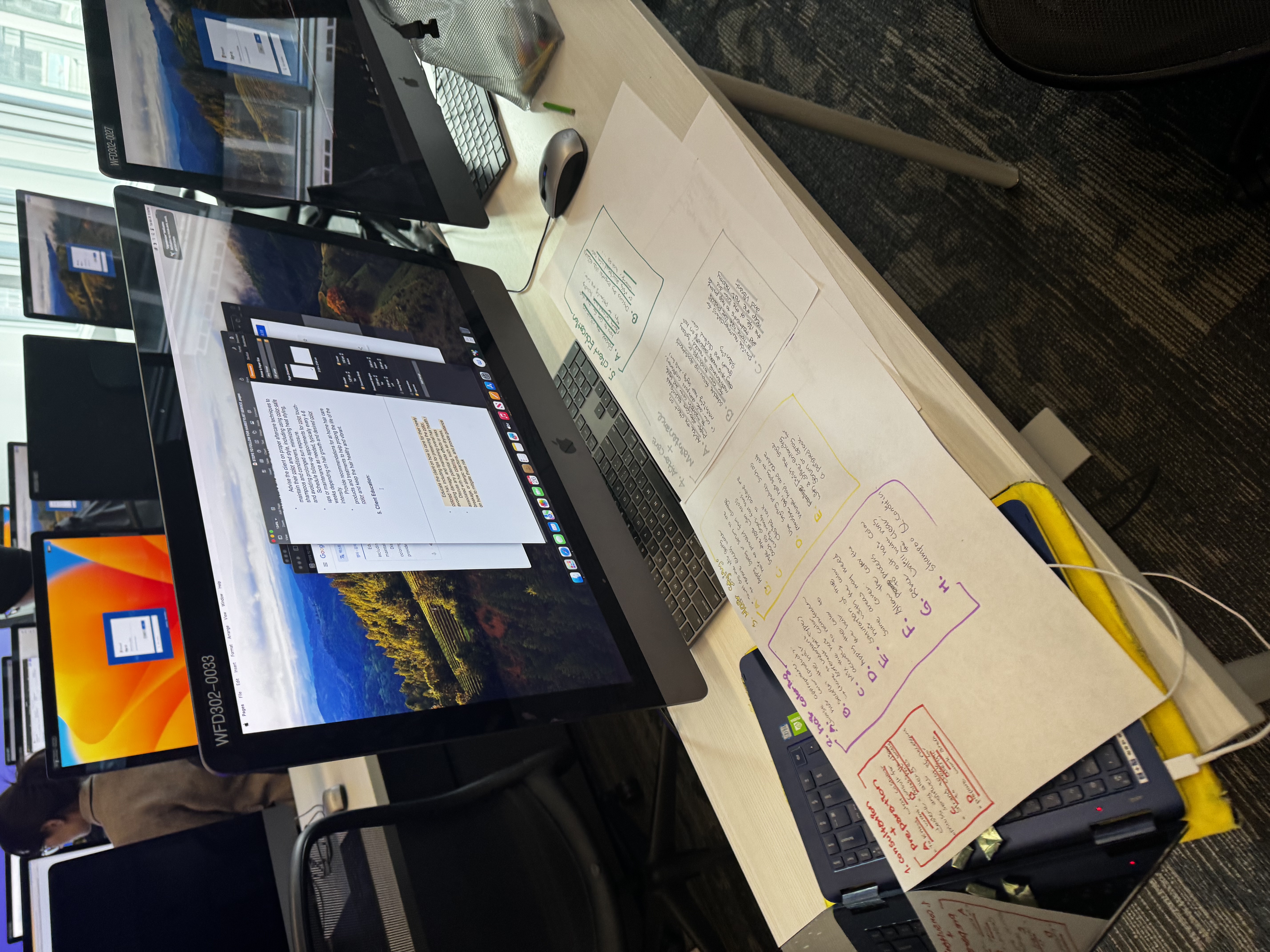
Every unit culminates in applied projects reflecting real professional scenarios. Projects include constraints, ambiguity, and require students to make justified decisions.

Critique Culture

Regular peer critiques teach students to give and receive constructive feedback—essential professional skill often missing from design education.

Industry Alignment

Guest speakers, real case studies, and professional project structures expose students to actual design practice.

Documentation Requirements

Students document research, design decisions, and iteration processes—mirroring professional documentation standards and building communication skills.

Scaffolded Complexity

Projects progressively increase in complexity, allowing students to build confidence while developing sophisticated thinking.

Outcome & Impact

The curriculum has successfully prepared students for professional UX roles while building fundamental design principles and research methods.

Student Success

  • 85%+ of students successfully transition to UX roles or continue to advanced design study
  • Students report feeling prepared for professional design environments
  • Portfolio projects demonstrate strategic thinking and research skills valued by employers
  • Alumni feedback indicates curriculum directly applicable to professional practice

Curriculum Innovation

  • Developed replicable framework for teaching UX at college level
  • Created library of projects, exercises, and assessment rubrics
  • Established critique protocols and collaborative learning structures
  • Documented teaching methodology for broader educational community

Mentorship & Student Development

  • 90%+ mentee satisfaction and continued engagement
  • Students successfully placed in design internships and entry-level roles
  • Alumni network providing ongoing support and industry connections
  • Demonstrated leadership in developing next generation of designers
85%+
Success Rate
Transition to UX roles
150+
Students
Empowered
90%+
Mentee Satisfaction
Continued engagement

Reflection

Teaching UX has fundamentally improved my design practice. Explaining principles forces clarity of thinking. Student questions reveal assumptions and gaps in conventional wisdom. Watching learners struggle and breakthrough illuminates the design learning process itself.

"The best teaching is bi-directional—I learn as much from my students as they learn from me. This work reinforces that design education should not replicate industry practice blindly but should develop thoughtful, ethical, research-driven designers who improve the field. The goal is not to produce workers but to cultivate thinkers."

Explore Course Work

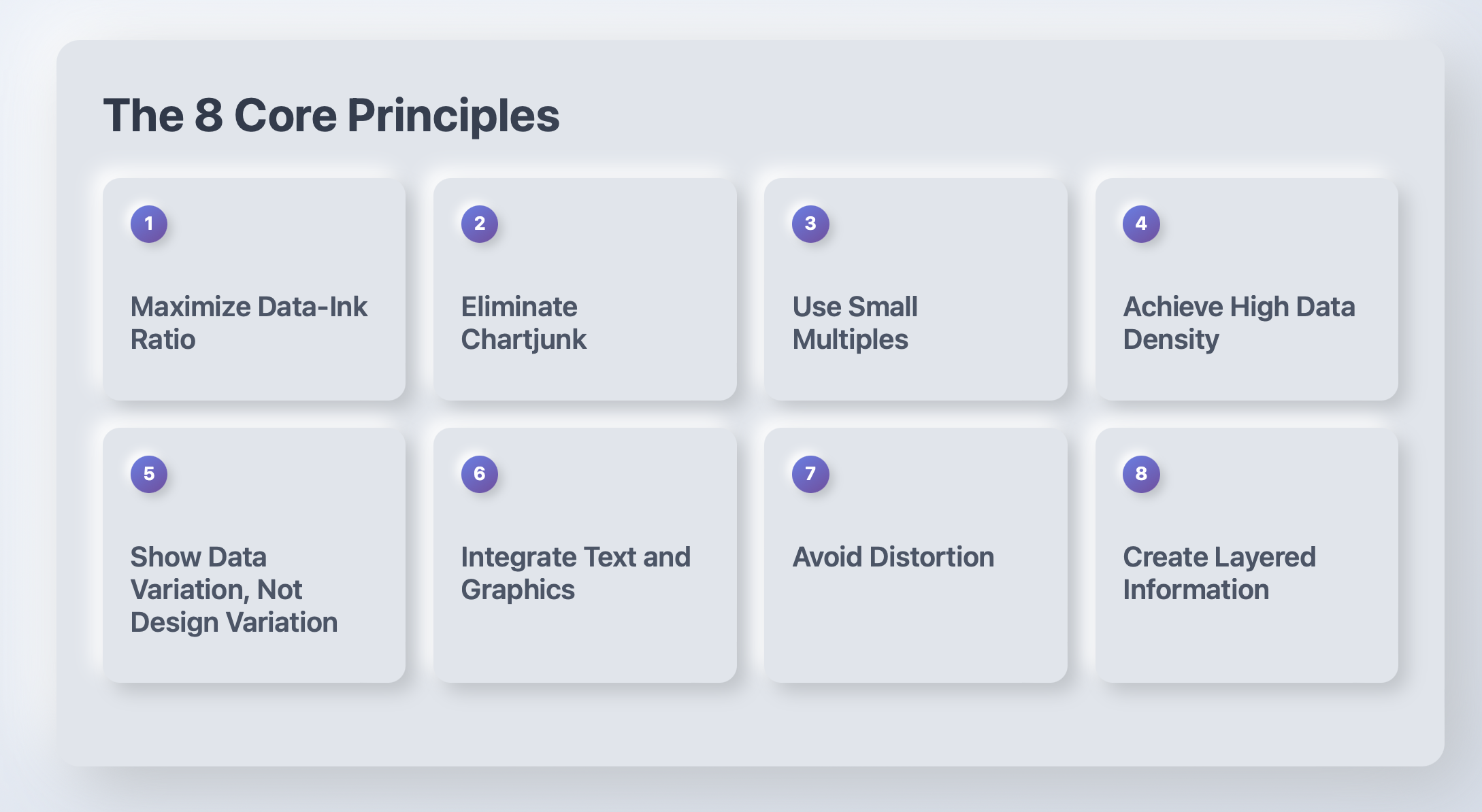
Experience the collaborative learning environment and see examples of student work from the Information Design course. From ethical data visualization to interactive dashboards, explore how visual thinking becomes systematic practice.
View Student Work Layout Design Principles Interactive Dashboard Gallery

More Case Studies