Deep immersion in cultural contexts through interviews, observation, and participatory research methods
Structured approaches to understanding problems, mapping relationships, and identifying patterns
Continuous refinement through cycles of research, design, testing, and reflection
Comprehensive recording of processes, decisions, and learnings for knowledge transfer
Establishing foundational understanding through multiple research lenses
Output
Research synthesis document, stakeholder map, cultural context framework, opportunity areas
Transforming raw research data into actionable insights through systematic analysis
Tools
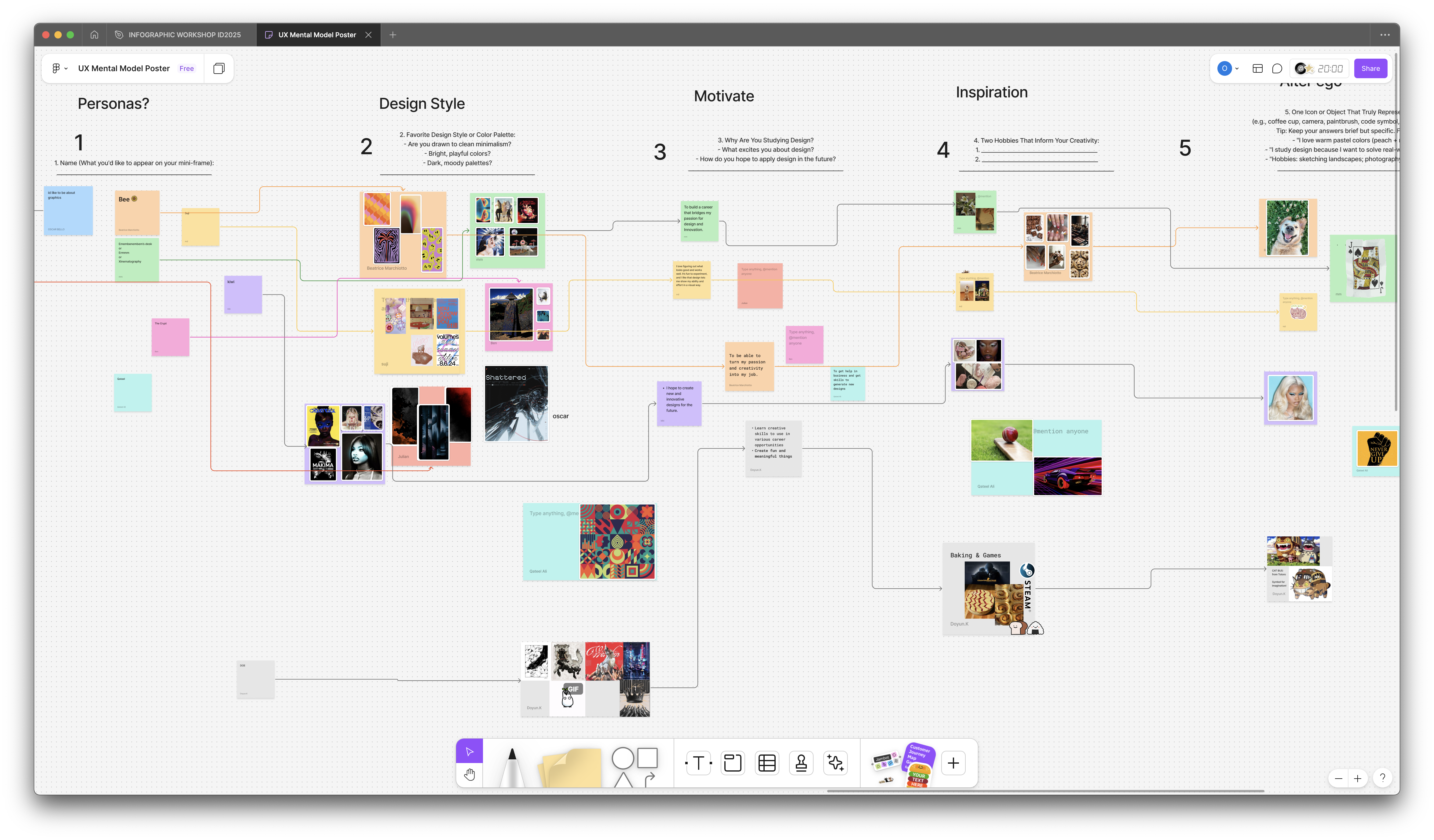
FigJam, Miro, physical post-it walls, digital synthesis frameworks, insight mapping templates
Translating insights into design solutions through iterative prototyping and validation
Deliverables
Wireframes, visual design mockups, interactive prototypes, design system documentation, style guides
Validating design decisions through systematic testing and measuring outcomes
Metrics
Task completion rates, time-on-task, error frequency, SUS scores, accessibility compliance ratings, cultural authenticity feedback
Visual frameworks connecting research findings to design implications, showing relationships between user needs, business goals, and technical constraints
Structured evaluation of design opportunities based on user impact, feasibility, and strategic alignment
Articulated principles derived from research that guide design decisions throughout the project lifecycle
Cultural understanding forms the foundation for all design decisions, ensuring that systematic approaches are applied within appropriate cultural frameworks rather than imposed from outside.
Systematic thinking provides structure and rigor to cultural design work, ensuring consistency, scalability, and measurable outcomes while maintaining cultural authenticity.
Design decisions are validated through ongoing participation with cultural communities, ensuring that systematic approaches serve rather than dominate cultural expression.
Comprehensive documentation captures both the systematic processes and cultural insights, creating knowledge that can be applied to future projects while respecting cultural specificity.
Application: Applied systematic four-phase research methodology (Heuristic Evaluation → User Testing → HCI Analysis → Synthesis) to VR gaming context
Key Learning
Systematic research methodology can be successfully adapted to emerging technology contexts, providing structure to novel design challenges
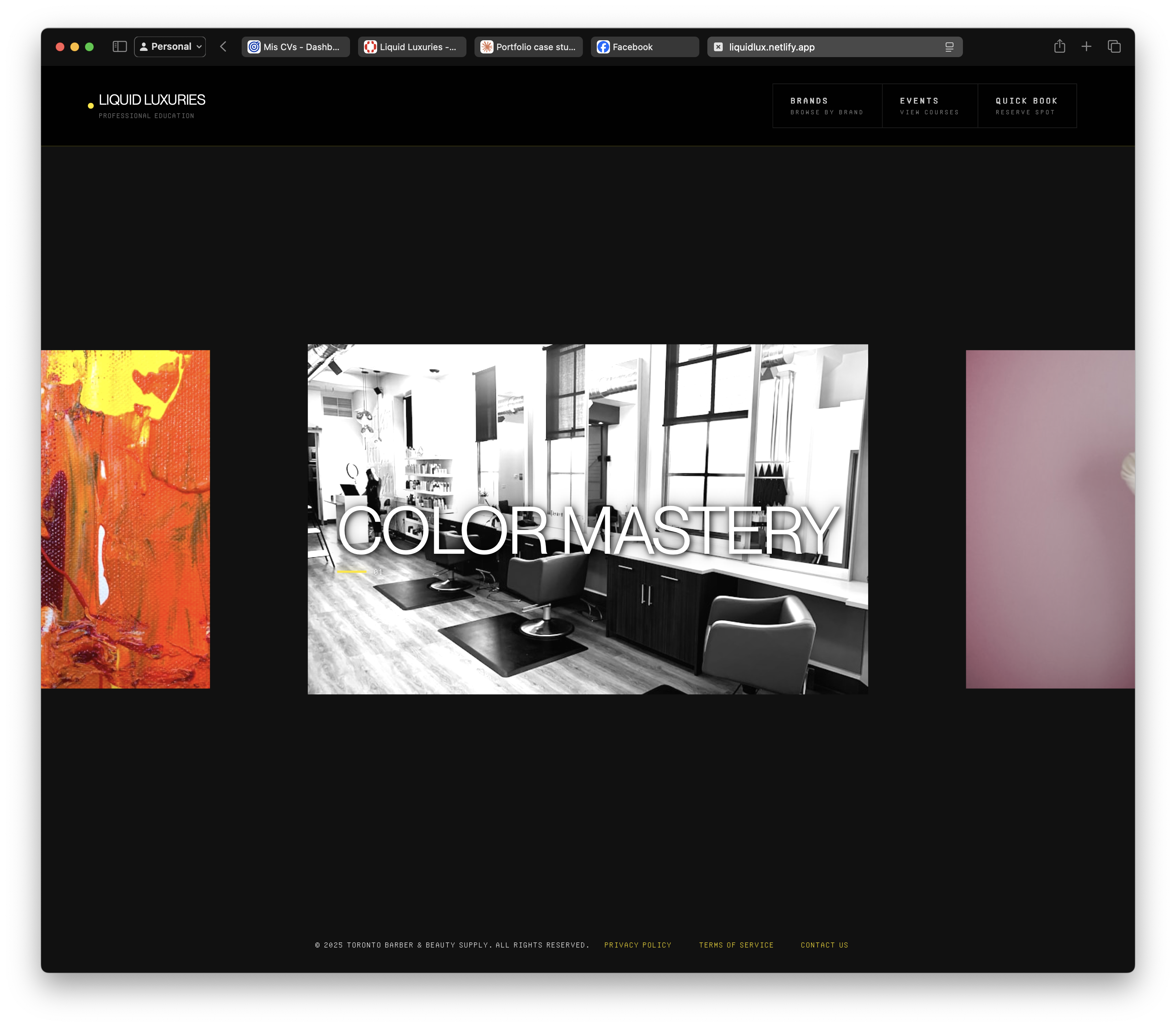
Application: Cultural research and immersion phase informed entire brand strategy, with systematic design thinking applied to visual identity and digital experience
Key Learning
Deep cultural research must precede systematic design application; cultural authenticity and systematic rigor are complementary, not competing goals
Application: User research informed information architecture and UX decisions, with iterative testing validating design choices
Key Learning
Research-driven information architecture dramatically improves user experience; small sample sizes (6-8 users) can yield significant insights when research is well-structured
Every design decision is supported by research data, user feedback, or established principles, eliminating arbitrary choices and improving design quality
Deep cultural research ensures designs honor and authentically represent cultural communities rather than appropriating or misrepresenting traditions
The methodology provides structured frameworks that can be adapted to projects of varying scales, from small UX improvements to large cultural initiatives
Comprehensive documentation enables knowledge sharing, teaching, and application to future projects, building institutional design capability
Research findings and synthesis frameworks create shared understanding among diverse stakeholders, facilitating collaboration and buy-in
Structured methodologies that can be taught to students, providing clear processes for integrating cultural sensitivity with systematic design thinking
Real-world examples demonstrating how the methodology is applied in practice, providing concrete illustrations of abstract principles
Structured reflection processes that help students understand their own design decisions and learn from both successes and challenges