Design Process • Methodology

Metaforma Studio

The Birth of a Synthesis-Oriented Design Practice

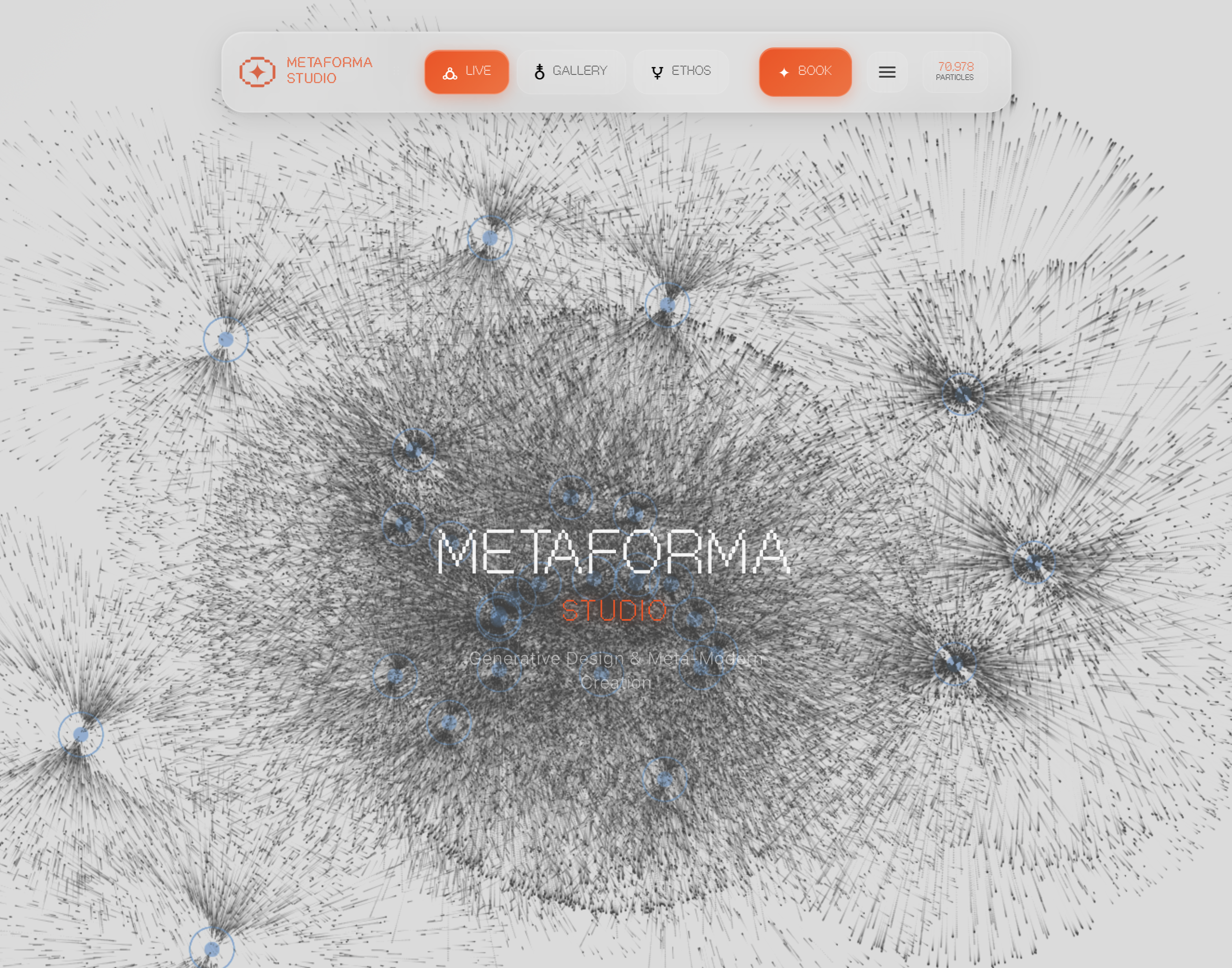
Born from the intersection of morphogenetic thinking, parametric design methodologies, and archdisciplinary research, Metaforma Studio represents my vision for reclaiming form design as a generative, critical, and systemic practice—where every project becomes an investigation into the nature of emergence.
Founder
My Role
Design Researcher
Ongoing
Duration
2023-Present
New Methodology
Impact
Established design practice
Generative
Approach
Form as emergent practice
Metaforma Studio

Origin Story

Metaforma Studio emerged from a frustration with superficial design approaches and a deep conviction that form should be more than aesthetic decoration. Inspired by Byron Villamil's theoretical framework, I founded the studio to create a practice where form emerges from meaning, process, and emergence.

"I founded Metaforma Studio because I believe form should carry meaning, express process, and manifest the invisible forces that shape our world—not just look good."

Key Challenges

  • Responding to the digital revolution demanding new design frameworks
  • Overcoming disciplinary silos that limit creative and intellectual growth
  • Moving beyond form as static output toward dynamic expression
  • Integrating computational tools as creative partners, not just production aids
  • Creating a practice that synthesizes theory, making, and cultural engagement
Theoretical Foundation

Theoretical Foundation

My studio practice is grounded in Villamil's concept of Metaforma as 'a new concept integrator that adapts to the digital condition.' I translate this academic framework into tangible design projects that explore how form emerges, evolves, and expresses complex relationships.

Morphogenetic Thinking

Studying how form develops in nature and computation

Parametric Design

Creating systems where form emerges from relationships

Archdisciplinary Approach

Synthesizing knowledge across multiple domains

Digital Condition

Leveraging computational tools for creative exploration

Process-Driven

Focusing on how form comes to be, not just what it looks like

Research Applications

  • Biological growth patterns informing architectural design strategies
  • Algorithmic generation methods creating responsive digital experiences
  • Social morphogenesis exploring how communities shape and are shaped by design
  • Educational frameworks teaching generative design thinking
  • Cultural projects manifesting invisible data and social processes through form
Studio Vision

Studio Vision

My vision for Metaforma Studio is to create a practice that operates as both design studio and research laboratory—where every project contributes to expanding our understanding of form, emergence, and meaning-making in design.

Studio Intentions

  • Develop new methodologies for computational and morphogenetic design
  • Create projects that demonstrate the practical value of theoretical frameworks
  • Bridge academic research and professional practice through applied investigation
  • Educate next generation of designers in generative and systemic thinking
  • Build collaborative networks advancing the field of morphogenetic design
  • Establish Metaforma as a recognized approach to contemporary design practice

Long-Term Goals

  • Research lab investigating intersection of biology, computation, and design
  • Educational platform teaching morphogenetic design principles globally
  • Consultancy helping organizations integrate generative design approaches
  • Publishing house for theoretical and practical morphogenetic design content
  • Community space fostering collaboration between designers, researchers, and technologists
Practice Areas

Practice Areas

At Metaforma Studio, I work across multiple scales and domains—from digital interfaces to architectural concepts, from educational curricula to cultural installations. Each project serves as both client work and research investigation.

Current Practice

  • Digital experiences: websites and apps that embody morphogenetic principles
  • Educational design: teaching Information Design using systematic visual thinking
  • Cultural projects: Portugal Pavilion branding synthesizing heritage and innovation
  • Research projects: IoT plant monitoring systems exploring human-nature interfaces
  • Theoretical work: developing frameworks for AI-enhanced design processes

Methodological Approaches

  • Every project begins with research into relevant natural or computational processes
  • Parametric thinking applied to branding, interface design, and spatial concepts
  • Collaborative tools (FigJam, Figma) used to manifest collective intelligence
  • Documentation and reflection built into every project for knowledge extraction
  • Client work structured as research partnerships rather than service provision
Educational Integration

Educational Integration

Teaching at George Brown College allows me to test and refine Metaforma principles in real time. My Information Design course becomes a laboratory for exploring how systematic visual thinking can be taught and learned through collaborative, process-driven methods.

Pedagogical Innovations

  • FigJam-based collaborative critique sessions embodying collective intelligence
  • Assignment sequences that mirror morphogenetic development processes
  • Ethics integration ensuring responsible application of visual power
  • Theory-practice synthesis in every project from concept to execution
  • Student work as research data informing studio practice development

Teaching-Research Synergy

  • Classroom insights directly inform studio methodology development
  • Student projects become case studies for morphogenetic design principles
  • Collaborative tools tested in education are refined for professional practice
  • Teaching forces articulation and systematization of intuitive design knowledge
  • Academic context provides space for experimental approaches
Technology & Tools

Technology & Tools

Metaforma Studio leverages cutting-edge digital tools not as production aids, but as creative partners in the exploration of form and meaning. From AI integration to parametric modeling, technology becomes a medium for morphogenetic investigation.

AI Integration

Claude AI as design critic and conceptual development partner

3D Experiences

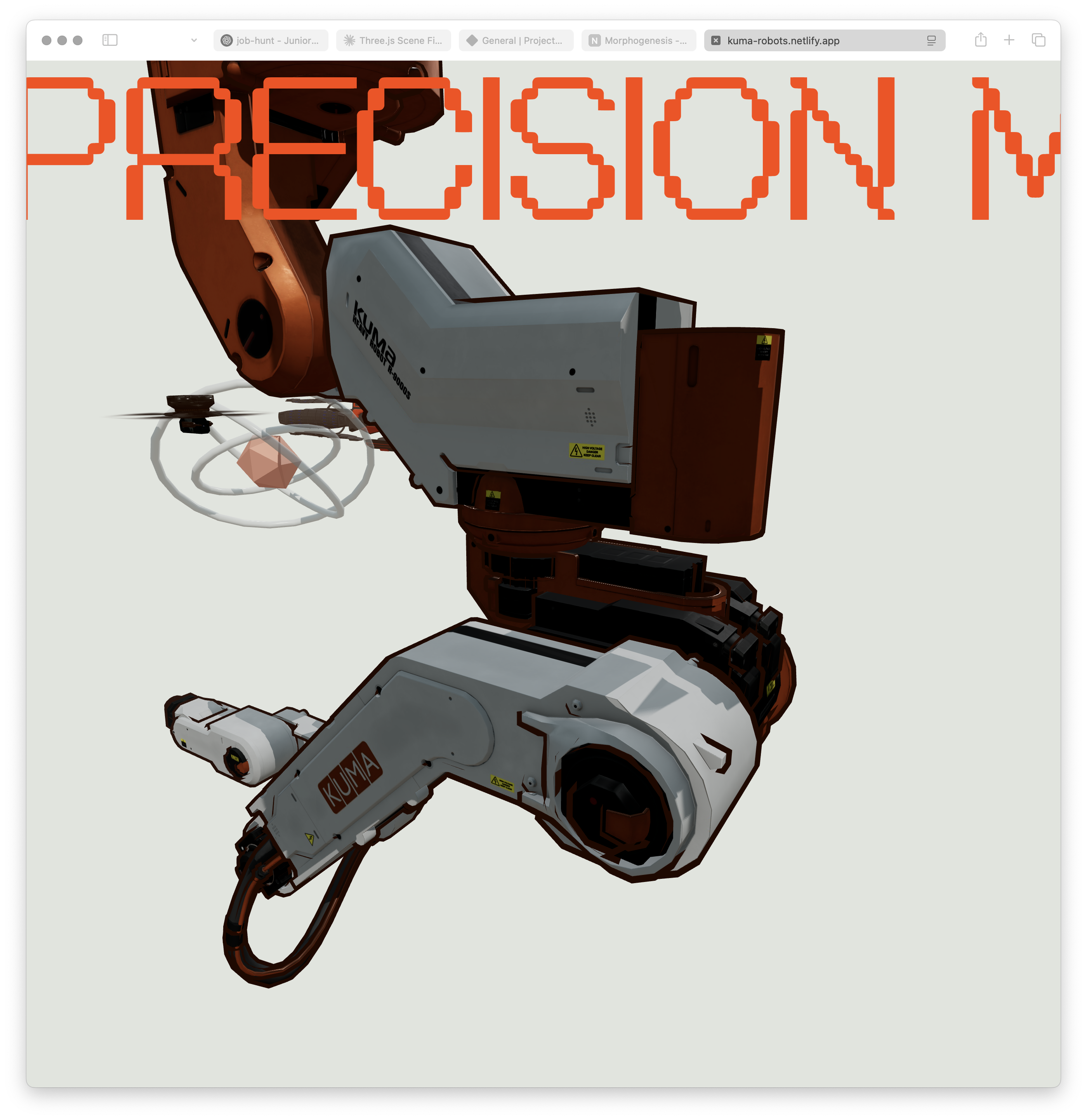
React and Three.js for creating responsive, emergent digital experiences

Collaborative Design

Figma and FigJam for collaborative design thinking and real-time iteration

Parametric Modeling

Tools for exploring form through relationship and constraint

IoT & Sensors

Creating responsive, context-aware design systems

Future Vision

My long-term vision for Metaforma Studio is to establish it as a recognized leader in morphogenetic design thinking—a place where the most challenging questions about form, meaning, and emergence are investigated through rigorous design practice.

"I envision Metaforma Studio as a place where designers, researchers, and technologists collaborate to push the boundaries of what form can be and do in our complex, interconnected world."

Future Directions

  • Research laboratory investigating AI-human collaboration
  • Global educational platform teaching morphogenetic principles
  • Consultancy integrating systematic design thinking
  • Publishing platform sharing methodologies and insights
  • Community hub fostering interdisciplinary collaboration

Impact Goals

  • Transform how designers think about form generation
  • Demonstrate practical value of theoretical frameworks
  • Create new educational models for systematic thinking
  • Foster interdisciplinary collaboration
  • Contribute to more thoughtful design culture

Explore the Ecosystem

Explore the complete Metaforma Studio ecosystem featuring interactive 3D environments, AI-integrated workflows, and automated solutions.
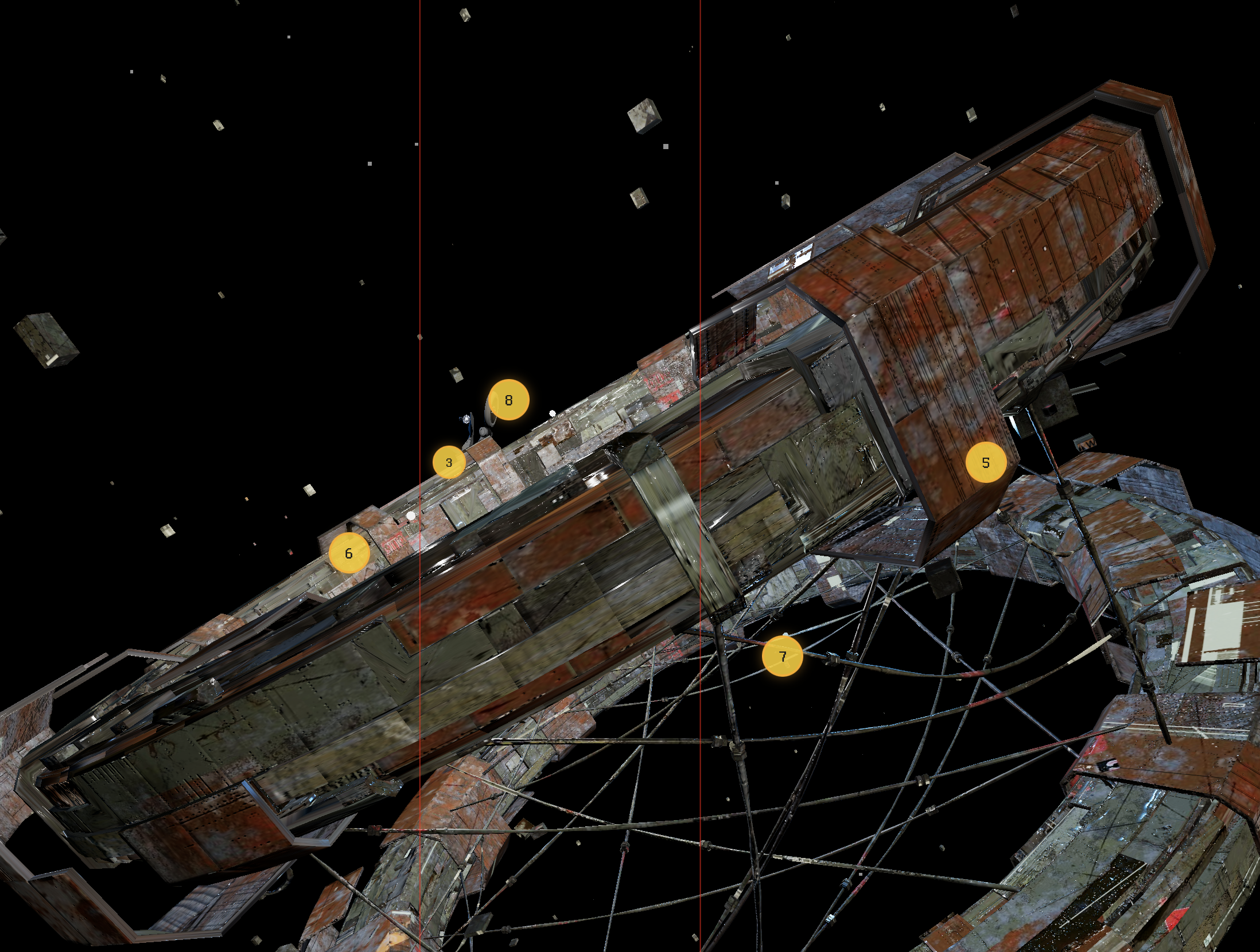
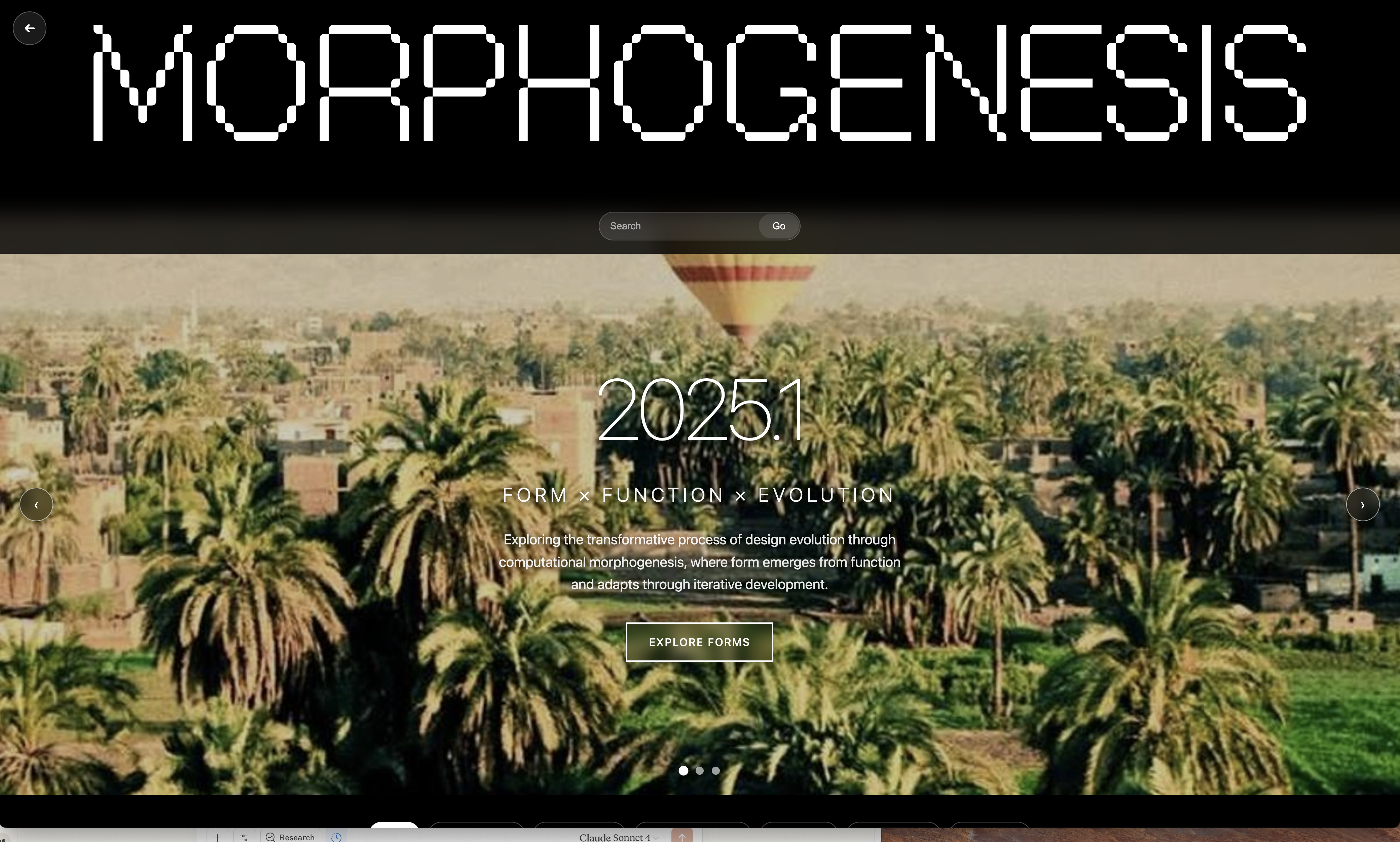
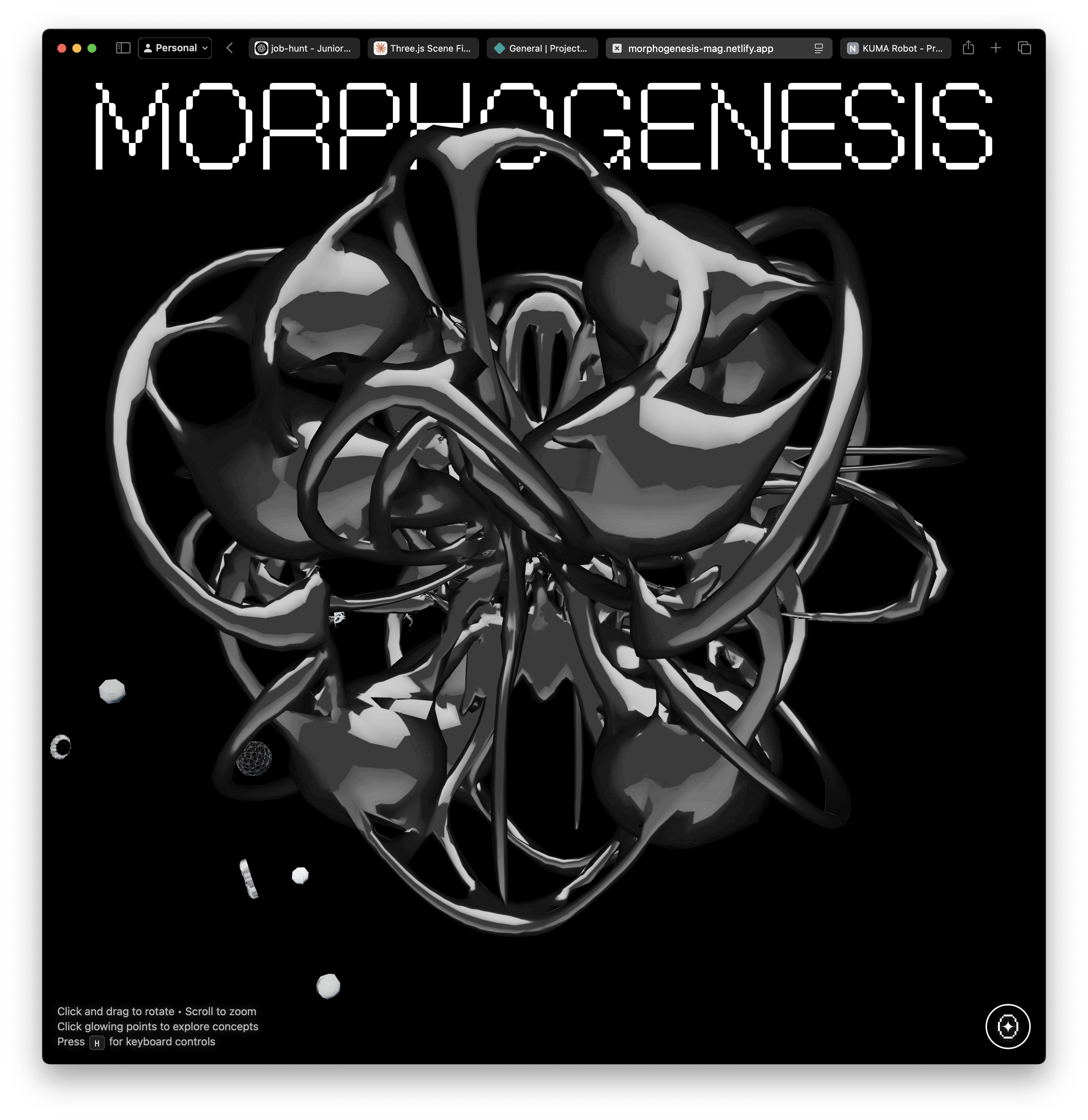
Explore Studio Morphogenesis Magazine TBBS Events Platform Space Station 3D 3D Interactive Menu

More Case Studies