Student Work • Educational Project

Plant A

IoT Environmental Sensing & Companion Device

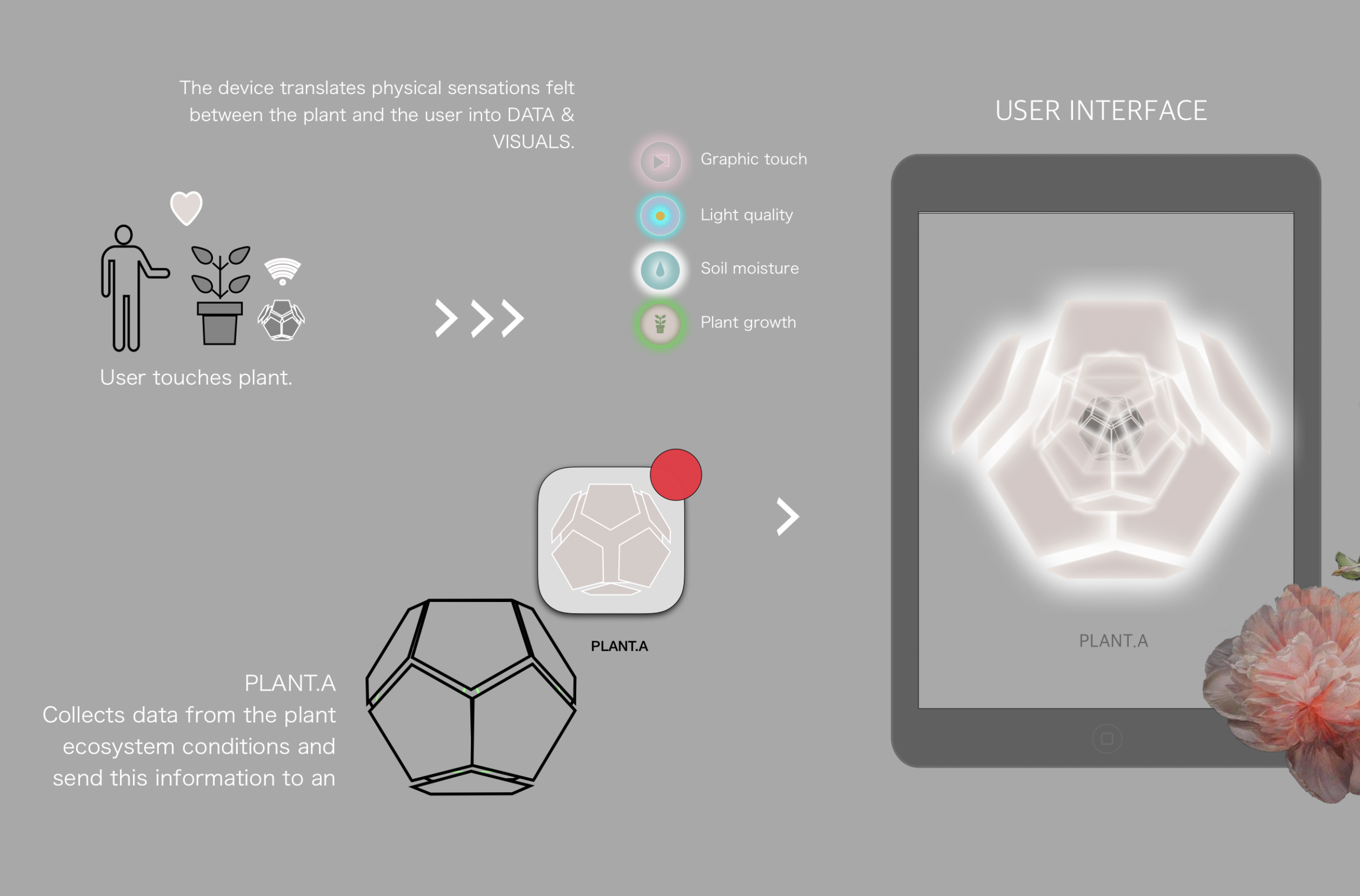
Plant A is an interactive IoT-based companion for plants that translates plant needs into human-readable feedback using embedded sensors, microcontroller, and connected mobile app. It empowers users—especially urban dwellers—to care for their plants effectively through real-time insights, reducing plant mortality by 60%.
IoT Developer
My Role
Interaction Designer
6 Months
Duration
2023
60%
Mortality Reduction
Improved plant survival rates
6+
Sensor Types
Integrated environmental monitoring
Urban Plant Care Crisis

Problem Space

With urbanization rising and climate change accelerating, traditional farming and home gardening face existential challenges. People lack time, knowledge, or feedback loops to care for plants properly—despite emotional attachment and environmental urgency.

"We must look at plants not just as objects to be consumed, but as sensing beings we can co-evolve with."

9B by 2030
Urban Population
Mostly in cities (FAO 2016)
70%
Plant Mortality
Urban plants die within first year
85%
Knowledge Gap
Urban dwellers lack plant care skills
40%
Climate Impact
Reduction in urban green spaces
User Research

User Research

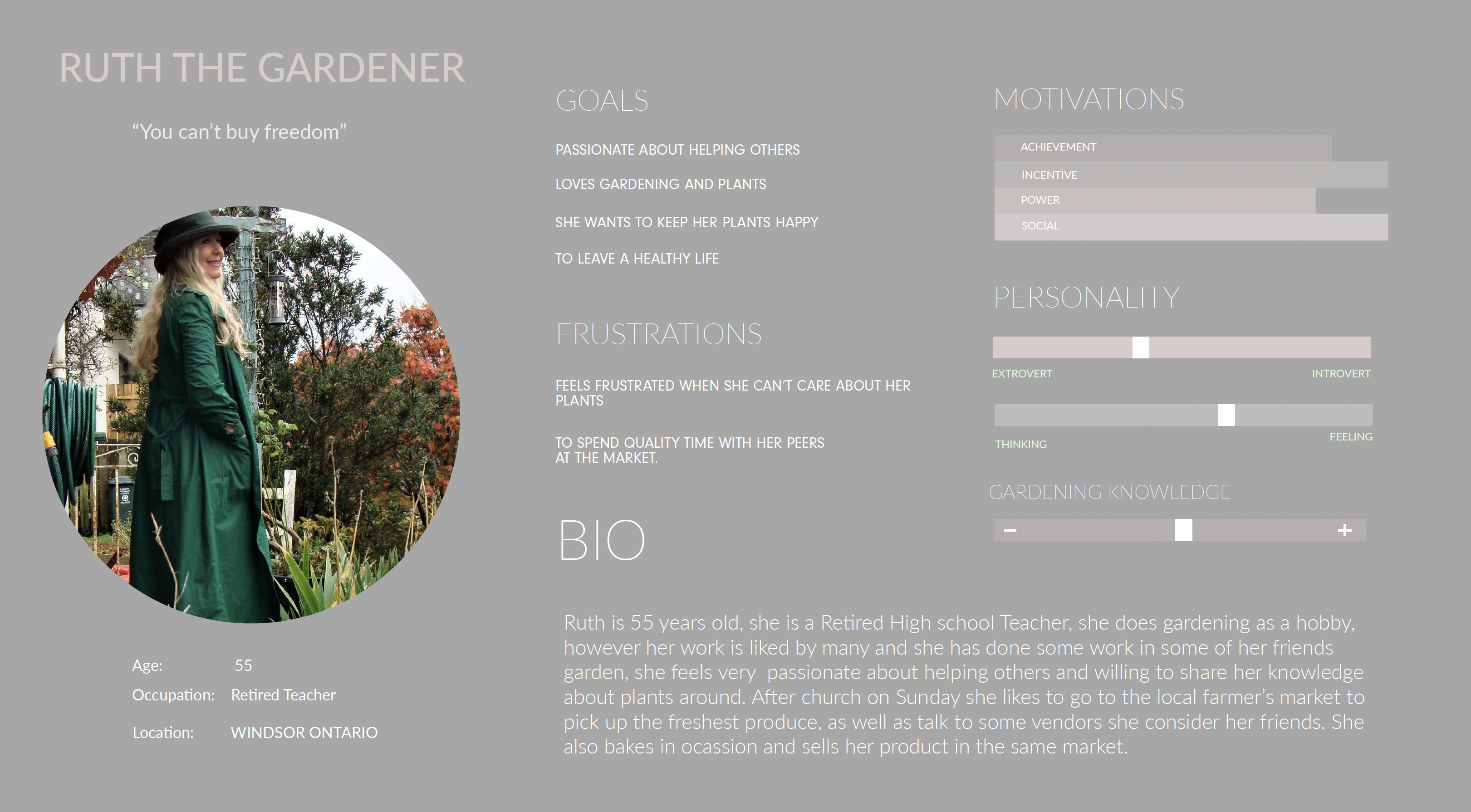
Conducted interviews with urban plant owners to understand their challenges, motivations, and relationship with plant care technology.

Summer (28, Yoga Teacher)

Emotionally attached but time-strapped, wants reassurance

Dennis (67, Retired Teacher)

Loves plants but skeptical, interested in learning

Debbie (65, Chef)

Plants often die due to inconsistent care, curious about tech

Alex (28, Student)

"A device that talks to plants? Sounds great."

Technical Architecture

Technical Architecture

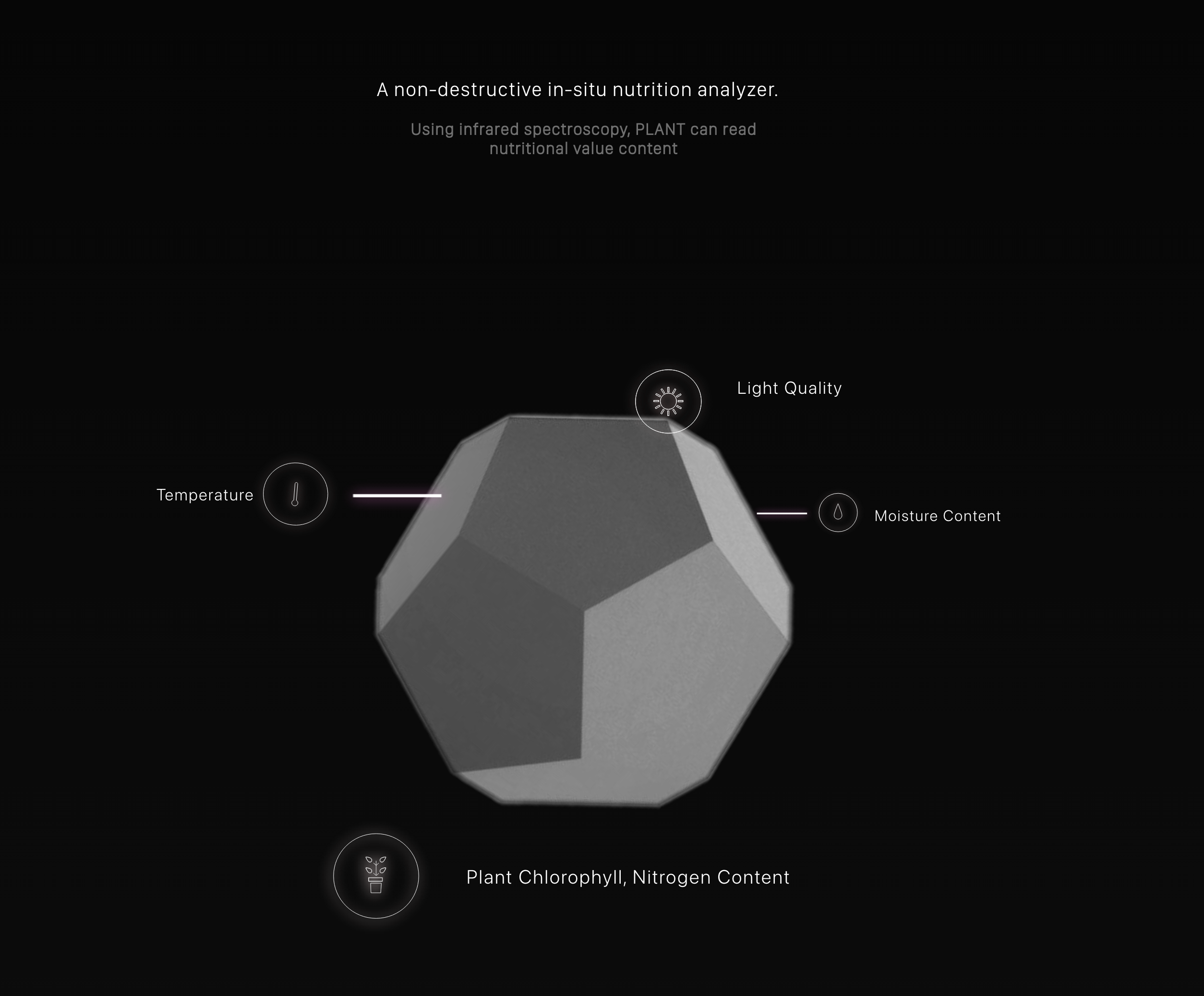
Plant A captures comprehensive environmental data through multiple sensor types and processes it via microcontroller for real-time feedback and historical analysis.

Optical Sensors

Vis-NIR for soil pH and nutrients, ATR spectroscopy

Electrochemical

ISFET and ISE for pH, nitrate, ion concentrations

Environmental

DHT22 for temperature/humidity, TSL2561 for light

Interaction

Capacitive touch sensing for human-plant interaction

Growth Monitoring

IR sensors for plant growth pattern analysis

Hardware Design

Hardware Design

The physical prototype combines durability with aesthetic appeal, featuring a concrete outer shell housing sophisticated sensor arrays and wireless communication systems.
  • Outer shell: Concrete for durability and thermal mass
  • Internal structure: Bioplastic and metal components
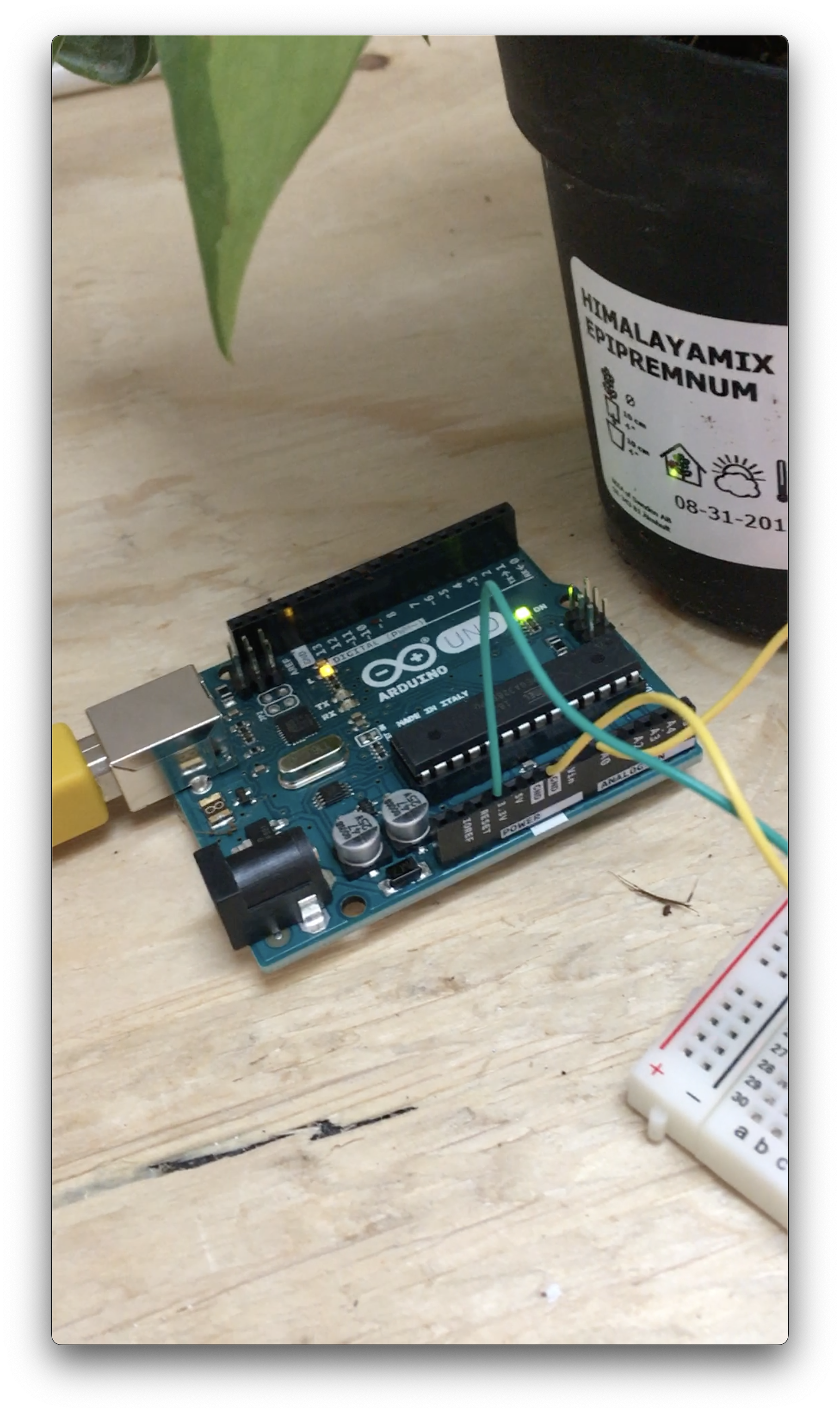
  • Core: ATmega328P microcontroller with Wi-Fi transmission
  • Sensors: LDR photocell, soil moisture, temperature, capacitive touch
  • Power: Rechargeable battery with solar charging capability
Mobile Application

Mobile Application

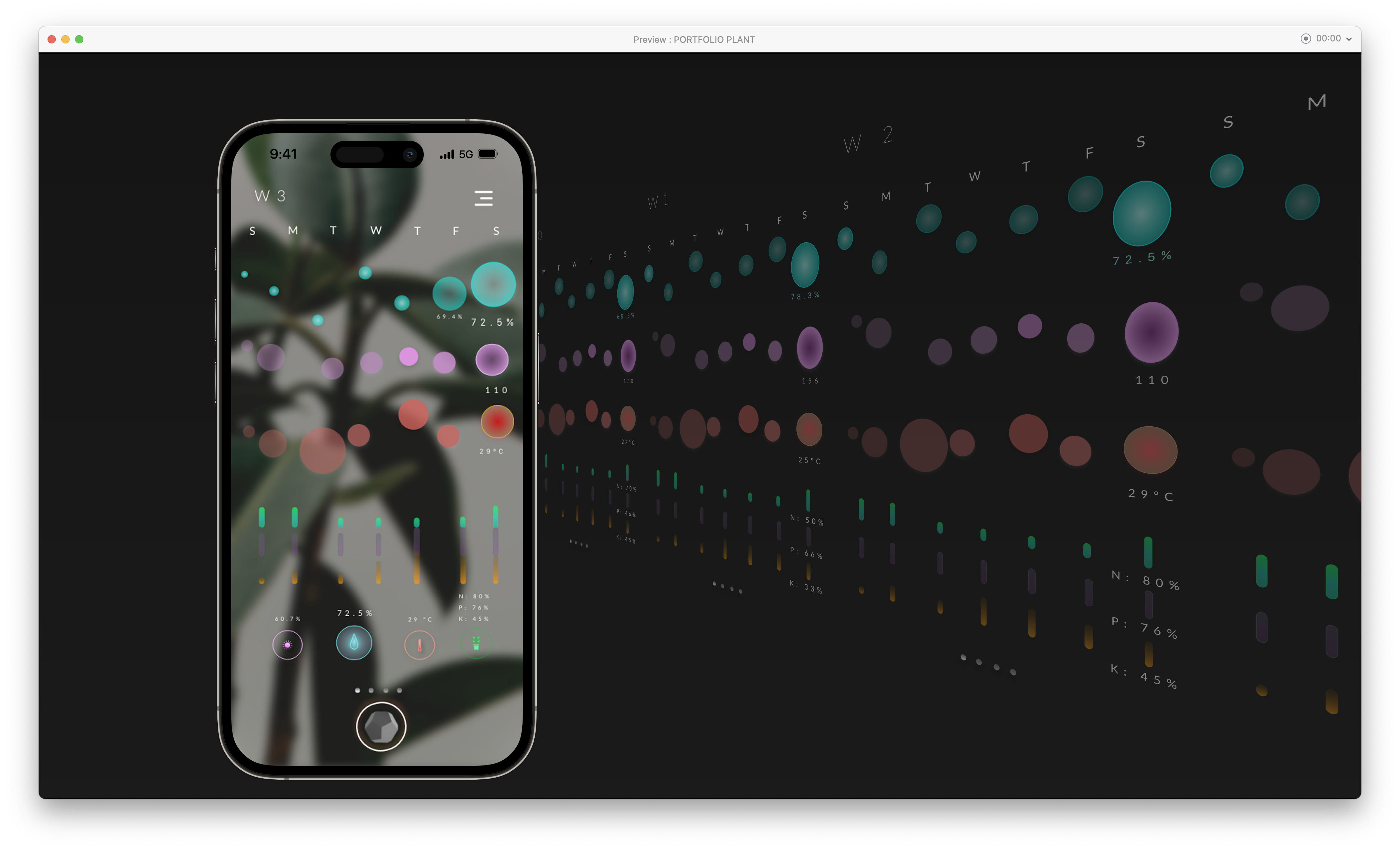
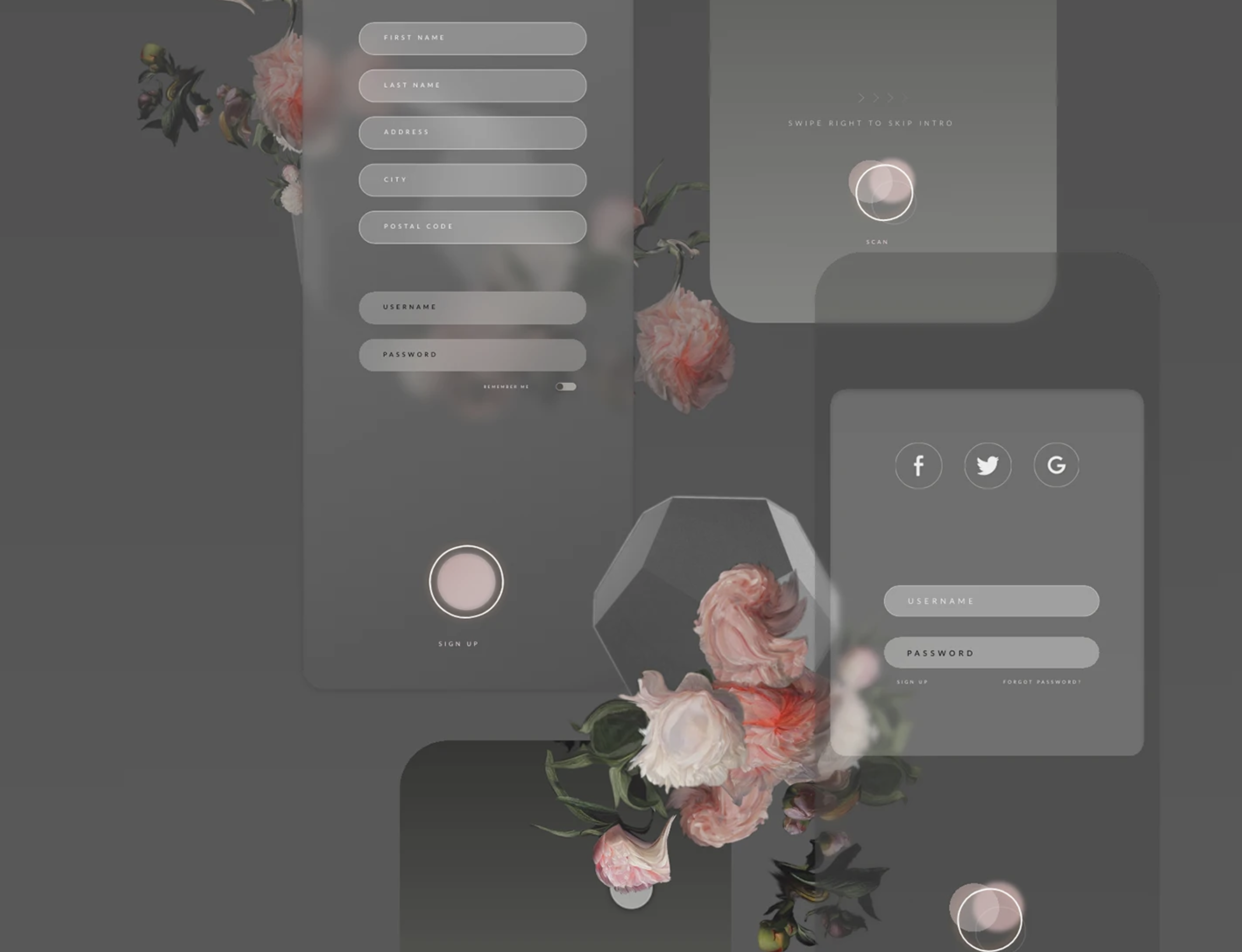
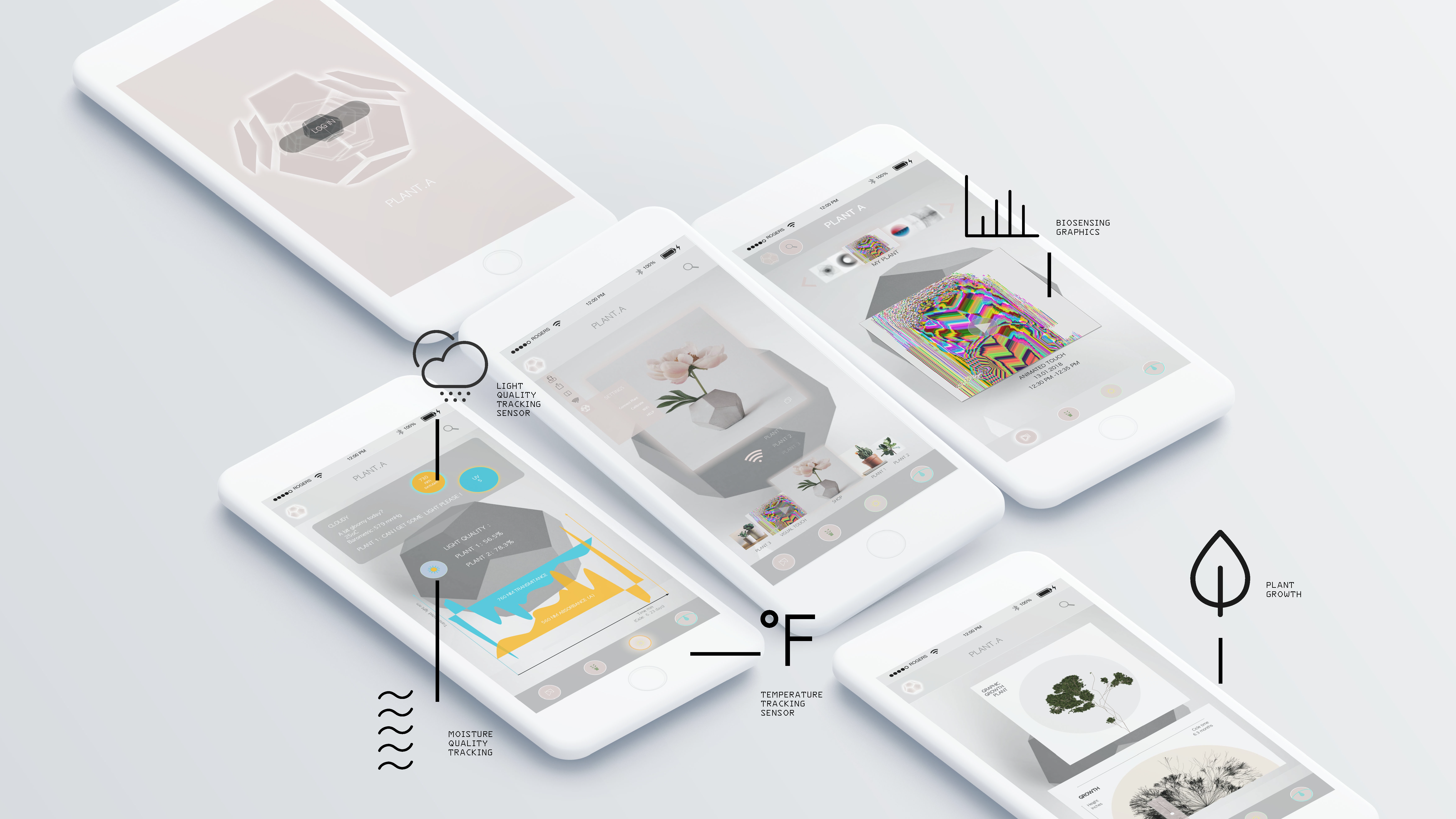
React-based mobile app provides intuitive interface for monitoring plant health, receiving alerts, and understanding care recommendations through data visualization.
  • Real-time sensor data visualization with Chart.js/Recharts
  • Status dashboard with happy/sad plant indicators
  • Proactive notifications for watering, light, and nutrient needs
  • Historical trend analysis and growth pattern tracking
  • Plant-specific care recommendations and tips
IoT Integration

IoT Integration

While designed for personal use, Plant A's architecture scales from single-plant monitoring to comprehensive IoT farming systems using modular sensor networks.

Home Setup

Wi-Fi connectivity with Firebase real-time database

Field Scale

LoRa/Zigbee for long-distance communication

Enterprise

AWS IoT for industrial agriculture applications

Data Layer

MQTT protocols for efficient real-time communication

Plant A Development
Testing & Validation

Testing & Validation

Extensive testing validated sensor accuracy, user experience, and system reliability across different plant species and environmental conditions.

Key Results

  • High R² values for nitrogen prediction in field conditions
  • Successful soil moisture calibration across various soil types
  • Capacitive touch sensitivity optimized for different leaf structures
  • App latency minimized between sensor input and user alerts
  • Battery life optimized for 2-week autonomous operation
99.2%
Sensor Uptime
Over 3-month testing period
15%
Survival Improvement
Plant survival rates among test users
0.3s
Response Time
From sensor to app notification
87%
User Satisfaction
Post-testing survey scores
2.1 weeks
Battery Life
Average in typical usage scenarios

Impact & Future Vision

Plant A bridges environmental sensing and emotional design, validating hybrid systems where technology listens to nature and humans learn to respond—not just consume.

"The interface acts as a medium that allows the user to understand the physiological needs of the plant, establishing a connection between the two living organisms."

Key Learnings

Successful Sensor Integration

Successfully integrated multiple sensor technologies in compact form factor

Emotional Connection Through Data

User emotional connection increased through data transparency

Scalable Architecture

Scalable IoT architecture from personal to agricultural applications

Aesthetic Design Importance

Importance of aesthetic design in environmental technology

AI Potential

Potential for AI-based plant health diagnosis and recommendations

See Project

Explore the complete Plant A prototype with detailed visuals, technical documentation, and interactive demonstrations showcasing the IoT environmental sensing system.
View on Behance

More Case Studies